


 Print a Spec Sheet
Kerf Pile Seals
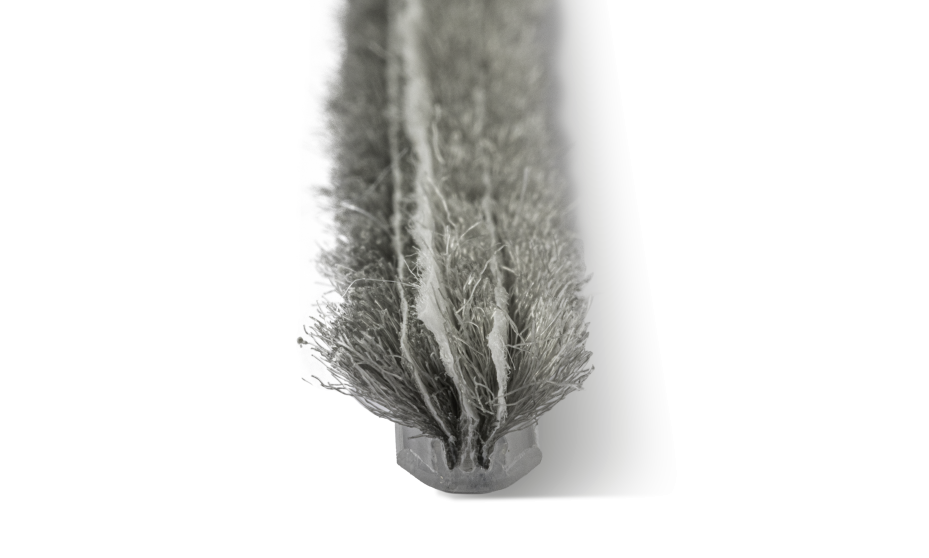
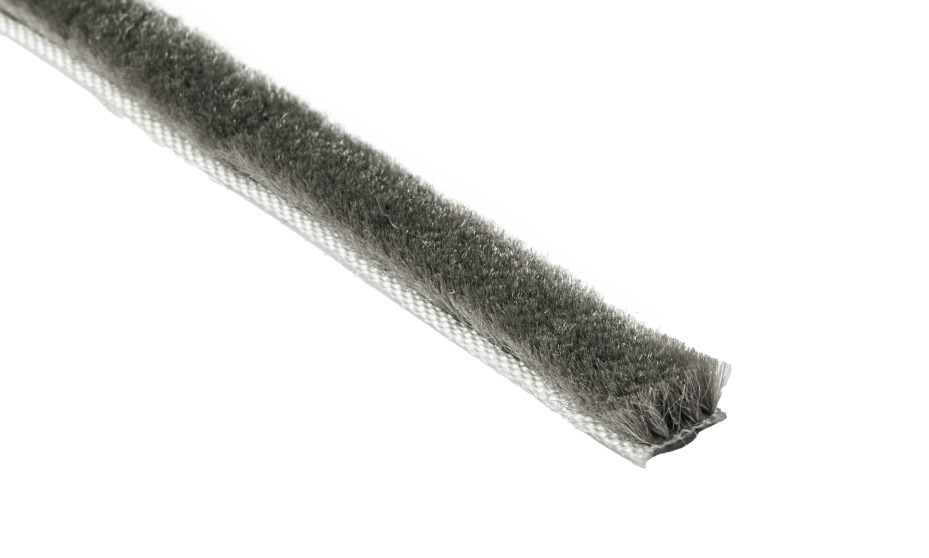
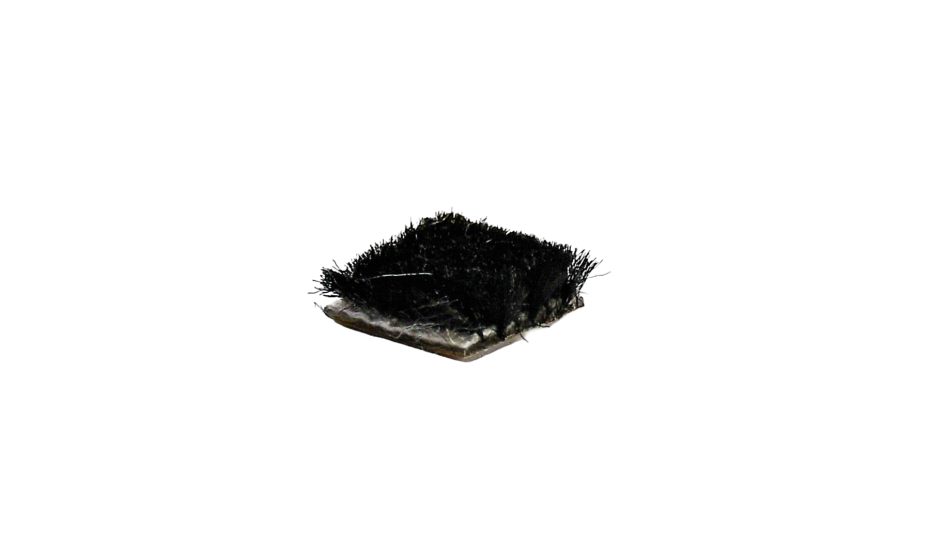
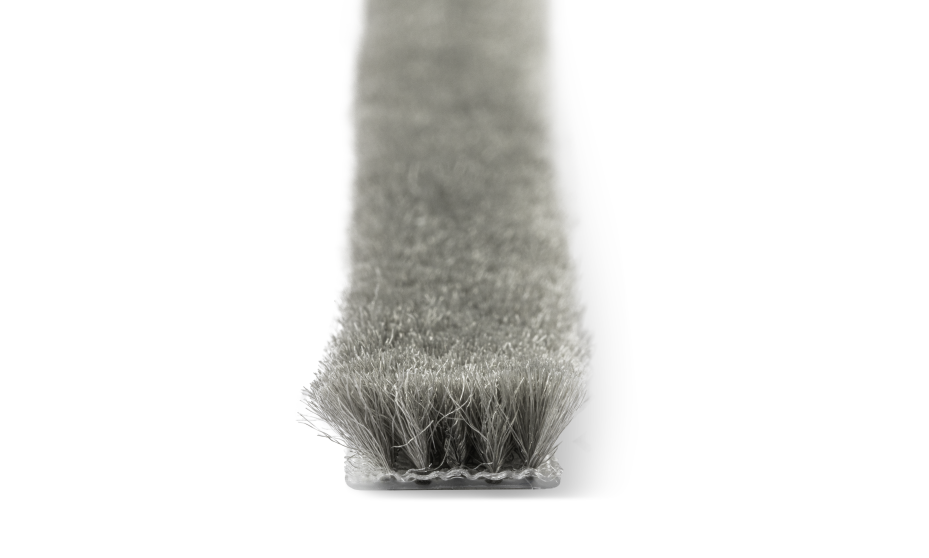
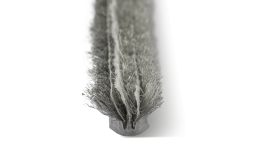
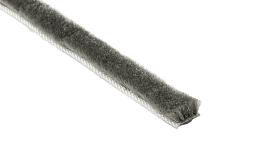
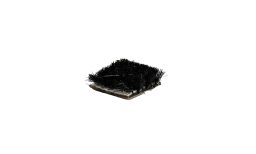
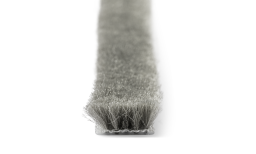
Kerf pile seals are weatherstrips designed for window and door systems where smooth operation and low-friction sealing are important design requirements. Unlike compression weatherseals that create a seal by deforming a bulb or compression profile, pile seals use densely packed polypropylene fibers to establish a flexible sealing interface between adjacent components.
Because the sealing element consists of flexible fibers rather than a compressible bulb, pile weatherstrips are commonly evaluated for sliding windows, patio doors, and other assemblies that require repeated movement during operation. The fiber construction helps maintain contact between surfaces while minimizing resistance that could affect operating performance.
Quanex offers kerf pile weatherstrips in a range of pile heights, fiber densities, mounting dimensions, and backing configurations. Engineers can evaluate profile options based on sealing requirements, operating characteristics, assembly geometry, and mounting compatibility.
Why Engineers use Kerf pile seals in sliding window and door systems
Not every weathersealing application requires the same sealing approach. Compression weatherseals and pile weatherstrips serve different functions within a window or door system. Compression seals are commonly used where air and water management are primary objectives, while pile weatherstrips are often selected where smooth movement, low operating force, and flexible sealing contact are important considerations.
Pile weatherstrips create a sealing interface through thousands of flexible fibers that contact the opposing surface. Rather than relying on compression of a solid or hollow profile, the fibers adapt to minor variations between components while allowing adjacent parts to move relative to one another. This operating characteristic can be particularly beneficial in sliding applications where excessive compression may increase operating force or negatively affect user experience.
For sliding windows and patio doors, engineers often evaluate weatherstrips based on more than sealing performance alone. Operating force, durability, air infiltration management, dimensional variation, and long-term system performance all influence weatherseal selection. Pile weatherstrips provide a low-friction sealing option for assemblies where maintaining smooth operation is a critical design objective.
When selecting a pile weatherstrip, engineers should evaluate pile height, fiber density, mounting dimensions, backing configuration, and available clearance together. Reviewing these characteristics as a complete system helps identify profiles that align with both sealing requirements and operating performance objectives.
- Need smooth sliding operation? Pile weatherstrips are commonly evaluated where low-friction movement is important to overall system performance. Sliding windows, patio doors, and other moving assemblies often benefit from a flexible fiber sealing interface.
- Working with sliding window or patio door systems? Pile weatherstrips are frequently used in applications where components move repeatedly while maintaining a sealing interface.
- Concerned about operating force? Excessive compression can increase resistance during operation. Pile weatherstrips provide an alternative sealing mechanism that allows movement while maintaining contact between surfaces.
- Need a flexible sealing interface? Individual fibers can adapt to minor dimensional variation and alignment differences while continuing to establish contact with the mating surface.
- Select the appropriate pile height. Pile height influences how far the fibers extend toward the mating surface. The selected profile should account for gap dimensions, tolerances, and expected movement within the assembly.
- Evaluate fiber density. Fiber density affects the amount of material presented at the sealing interface and should be considered alongside the application’s sealing objectives.
- Consider mounting compatibility. Barb width, mounting width, mounting depth, and backing dimensions all influence retention and compatibility with the surrounding assembly.
- Compare pile seals and compression seals based on application requirements. Weatherseal selection should start with how the assembly functions. Applications focused on sliding movement may benefit from pile weatherstrips, while other locations within the same window or door system may use compression seals for different performance objectives.
Weatherseals
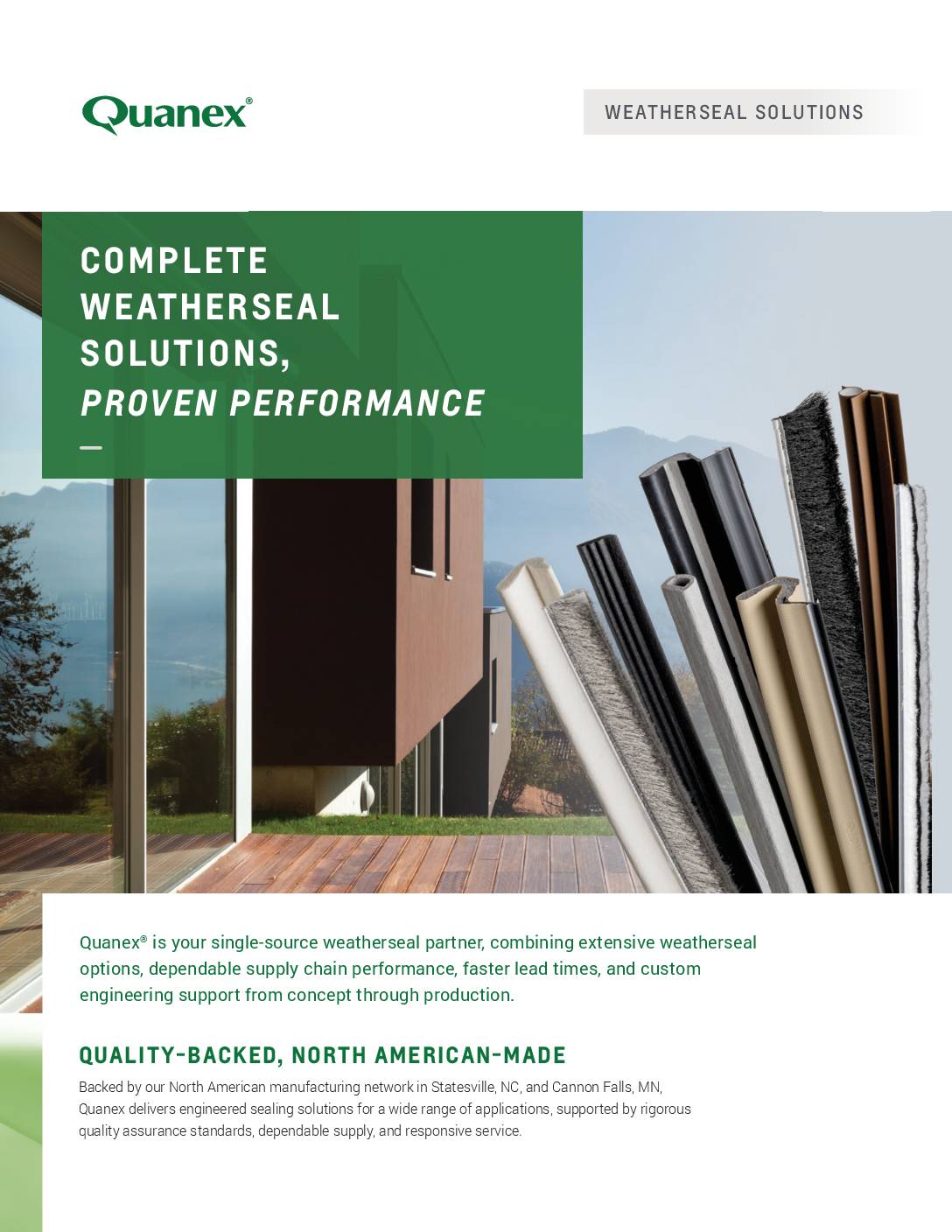
Quanex offers a range of kerf pile weatherstrip profiles with varying barb widths, mounting widths, mounting depths, and backer widths to support different assembly designs. Compare available dimensions below to identify profiles that align with your mounting requirements and sealing objectives.
| Profile Number | Barb Width | Mounting Width | Mounting Depth | Backer Width |
|---|---|---|---|---|
| K011 | .110" | .090" | .250" | .187" |
| K043 | .125" | .105" | .230" | .268" |
| K044 | .150" | .130" | .175" | .187" |
| K045 | .166" | .146" | .130" | .250" |
| K051 | .150" | .130" | .250" | .187" |
| K052 | .150" | .130" | .200" | .187" |
| K056 | .150" | .130" | .200" | .187" |
| K069 | .135" | .115" | .250" | .187" |
| K075 | .190" | .170" | .060" | .426" |
| K082 | .105" | .085" | .240" | .187" |
| K083 | .140" | .120" | .295" | .533" |
| K088 | .105" | .085" | .235" | .3" |
| K108 | .200" | .180" | .250" | |
| K112 | .120" | .100" | .500" | .187" |
| K116 | .120" | .100" |
Looking for a Specific Pile Seal Configuration?
The profiles shown here represent just a selection of the available options. Quanex offers additional configurations to accommodate different application requirements.
If you have specific requirements, include as much detail as you can in your inquiry, such as profile, base color, pile height, fin option, pile color, and cut length. Our team can help identify the right configuration and provide a quote for your application.
Configuration details may include profile, base color, pile height, fin option, pile color, and cut length.
This page was last updated on November 13, 2026. Downloaded document versions may differ. Please check the individual documents for most current version.