


 Print a Spec Sheet
T-Slot Window & Door Seals
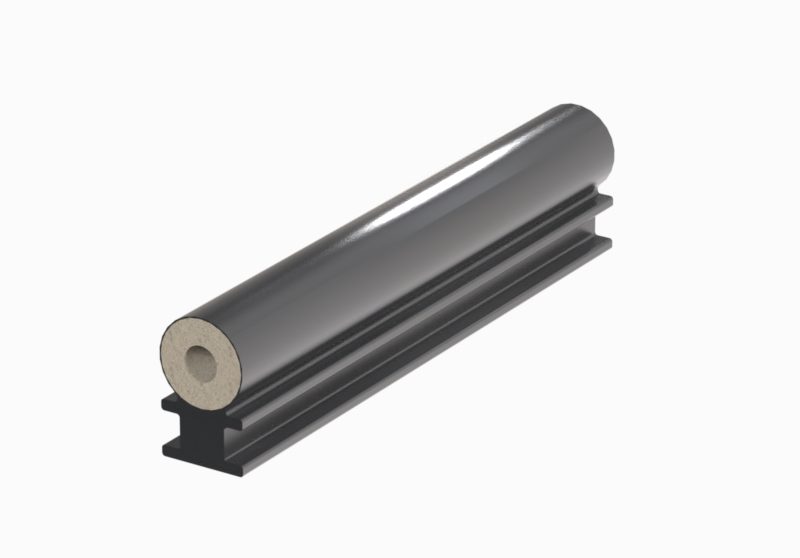
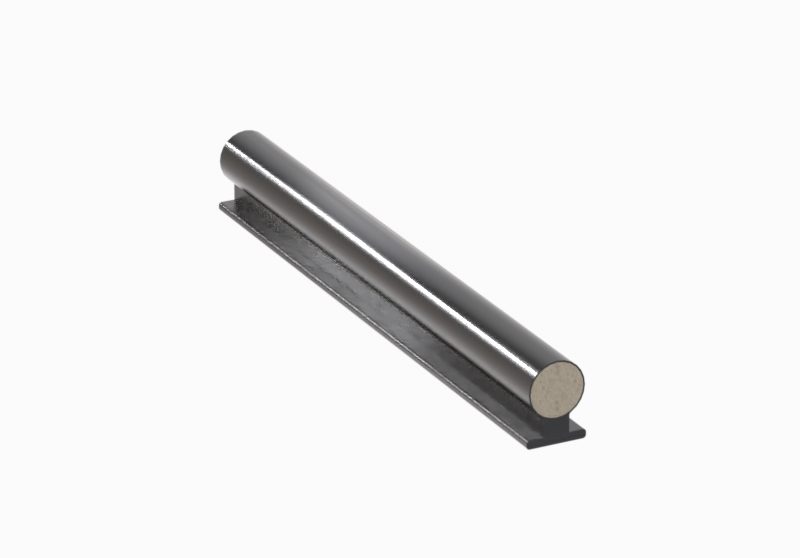
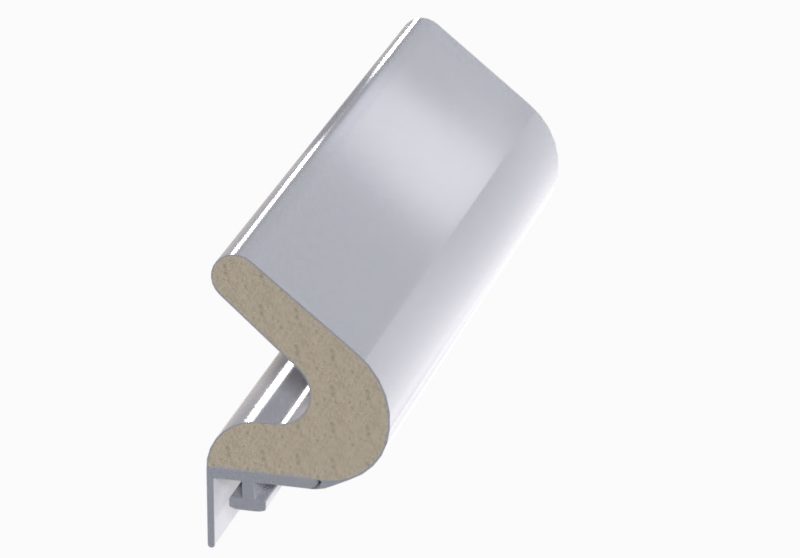
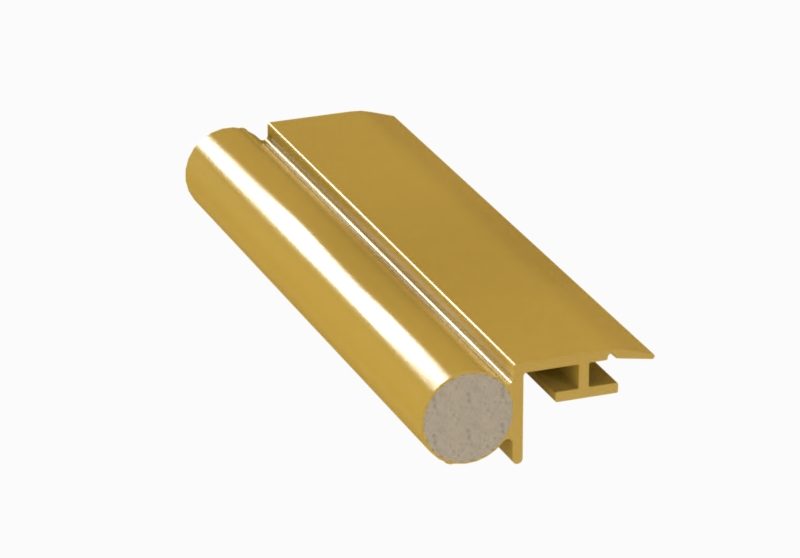
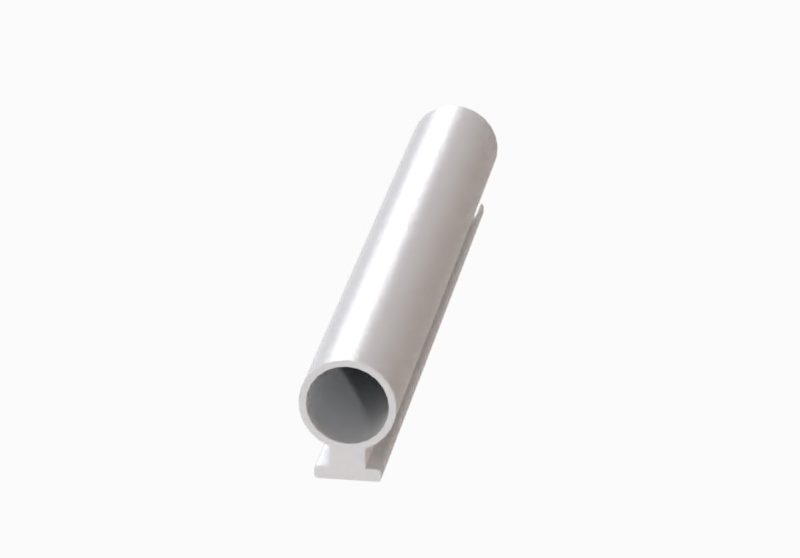
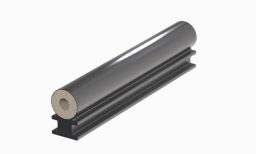
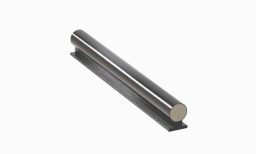
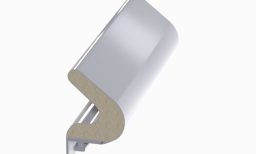
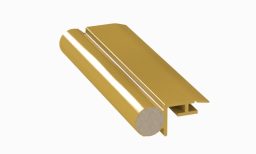
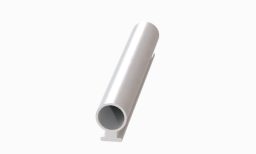
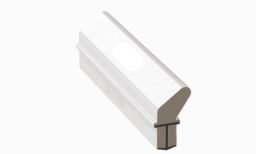
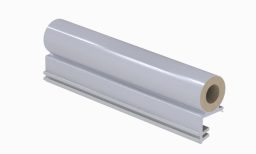
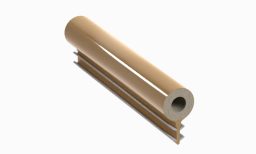
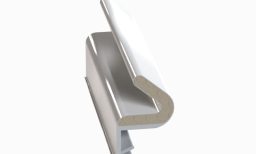
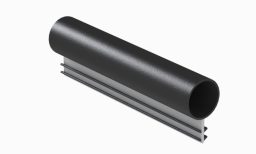
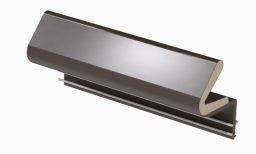
T-slot weatherseals are designed for window and door systems that use a T-shaped mounting interface to retain the weatherseal within the assembly. The T-slot mounting feature helps position the weatherseal while providing a defined retention method that becomes part of the overall window or door profile design. Quanex offers T-slot weatherseals in multiple configurations, including standard compression seals, offset compression seals, bulb seals, and leaf seals. Available profiles vary in reach, sealing geometry, and mounting dimensions to support a wide range of window system requirements.
Unlike weatherseal categories that are defined primarily by sealing geometry, T-slot weathereseals are defined first by their mounting method. This allows engineers to evaluate multiple sealing approaches while maintaining compatibility with a common mounting interface. As a result, T-slot systems can provide flexibility when balancing retention requirements, assembly considerations, sealing performance, and overall window system design.
For engineers and product teams, selecting a T-slot weatherseal requires evaluating both how the weatherseal is retained and how the sealing element interacts with the surrounding assembly. Mounting dimensions, reach, sealing location, profile geometry, and available opening should all be considered together during specification.
Why Engineers Choose T-Slot Weatherseals
In many window systems, the weatherseal must do more than establish sealing contact. It must also remain securely positioned throughout manufacturing, assembly, shipping, and product operation. T-slot weatherseals are commonly specified when engineers want a mounting system that helps retain the weatherseal within the profile while supporting a variety of sealing geometries.
The T-slot mounting method uses a T-shaped feature that engages the surrounding profile during assembly. Engineering guidance indicates that T-slot weatherseasls are typically retained within the assembly during window manufacturing while providing relatively low resistance during insertion. Because the mounting interface plays a critical role in retention, T-slot dimensions and tolerances should be evaluated carefully during product development.
One advantage of a T-slot mounting approach is the ability to evaluate multiple sealing configurations without changing the underlying mounting method. Engineers can compare standard compression seals, offset compression seals, bulb seals, and leaf seals while maintaining compatibility with the same general mounting concept. This flexibility can simplify evaluation of different sealing strategies across a window platform.
Because weatherseal performance depends on the interaction between retention, sealing geometry, and overall assembly design, engineers should evaluate the complete system rather than focusing on a single dimension. Mounting compatibility, sealing location, reach, available opening, and operating requirements all influence long-term performance.
Why Engineers Choose T-Slot Seals
- Need reliable weatherseal retention? T-slot weatherseals are commonly specified where maintaining weatherseal position within the assembly is an important design consideration. The T-shaped mounting feature is intended to retain the weatherseal within the profile during manufacturing and operation.
- Working with extrusion-based window systems? Standard compression seals, offset profiles, bulb seals, and leaf seals can all be evaluated within the T-slot category.
- Need multiple sealing options within a common mounting system? Standard compression seals, offset profiles, bulb seals, and leaf seals can all be evaluated within the T-slot category.
- Looking for assembly-friendly installation? Engineering guidance notes that T-slot designs are typically locked into place during assembly while maintaining relatively low insertion resistance. Some T-slot profiles are designed to be installed in the field as a service part.
Common Challenges T-Slot Seals Can Solve
- A weatherseal that doesn’t stay where you put it can’t seal effectively. Retention is one of the primary reasons engineers choose T-slot weatherseals. If the mounting interface and weatherseal are not properly matched, the seal may shift position during manufacturing or product operation, potentially affecting sealing consistency over time.
- Small tolerance issues can create larger performance problems. Unlike some mounting methods that offer more dimensional flexibility. T-slot systems rely on a specific relationship between the weatherseal and the mounting channel. Variations in T-slot dimensions can influence installation, retention, and overall system performance. Engineers should evaluate tolerance requirements early in the design process.
- The mounting location and sealing location are not always the same thing. Selecting a weatherseal based only on mounting compatibility can create challenges if the sealing element does not reach the intended contact point. Engineers should evaluate where sealing contact is required before selecting among standard, offset, bulb, or leaf configurations.
- Changing profile geometry can affect more than sealing performance. Different T-slot configurations can influence contact location, operating characteristics, and integration with surrounding window components. The most effective solution is often determined by how the weatherseal interacts with the complete assembly rather than by a single profile dimension.
Weatherseals

Note: Mounting width refers to the width of the mounting interface required to install the weatherseal into the window or door profile. Depending on the seal design, this may correspond to the backing, kerf, or T-slot width specified by the manufacturer.
Offset T-Slot Compression Seals
Standard T-Slot Compression Seals wpDataTable
| Profile Number | Reach | Recommended Opening | Mounting Width |
|---|---|---|---|
| 32001 | .250" | .20" | .187" |
| 32002 | .425" | .210" | .187" |
| 32003 | .250" | .310" | .270" |
| 32005 | .200" | .210" | .187" |
| 32006 | .200" | .210" | .187" |
| 32007 | .300" | .210" | .187" |
| 32008 | .300" | .210" | .187" |
| 32009 | .375" | .210" | .187" |
| 32010 | .375" | .210" | .187" |
| 32011 | .350" | .210" | .187" |
| 32012 | .375" | .210" | .187" |
| 32013 | .275" | .210" | .187" |
| 32014 | .560" | .210" | .187" |
| 32016 | .275" | .210" | .187" |
| 32017 | .350" | .210" | .187" |
| 32026 | .350" | .210" | .187" |
| 32030 | .375" | .210" | .187" |
| 32033 | .500" | .210" | .187" |
| 32081 | .250" | .210" | .187" |
| 32082 | .250" | .210" | .187" |
| 32083 | .275" | .210" | .187" |
| 32084 | .350" | .210" | .187" |
| 32086 | .350" | .210" | .187" |
| 32087 | .350" | .210" | .187" |
| 32096 | .300" | .210" | .187" |
| 32097 | .275" | .210" | .187" |
| 32102 | .334" | .210" | .187" |
| 32109 | .405" | .210" | .187" |
| 32113 | .300" | .210" | .187" |
| 32304 | .300" | .210" | .187" |
| 32308 | .360" | .210" | .187" |
| 32309 | .410" | .210" | .187" |
| 32316 | .405" | .210" | .187" |
| 32324 | .300–.599" | — | — |
| 32331 | .404" | .210" | .187" |
| 32337 | .640" | .210" | .187" |
| 32340 | .250" | .210" | .187" |
| 32341 | .590" | .210" | .187" |
| 32342 | .455" | .210" | .187" |
| 32343 | .490" | .210" | .187" |
| 32363 | .200" | .210" | .187" |
| 32364 | .250" | .210" | .187" |
| 32390 | .300" | .210" | .187" |
| 32395 | .400" | .210" | .187" |
| 32401 | .250" | .210" | .187" |
| 32402 | .250" | .210" | .187" |
| 32404 | .300" | .210" | .187" |
| 32405 | .200" | .210" | .187" |
| 32407 | .300" | .210" | .187" |
| 32411 | .375" | .210" | .187" |
| 32412 | .415" | .210" | .187" |
| 32424 | .617" | .210" | .187" |
| 32425 | .375" | .210" | .187" |
| 32804 | .250" | .210" | .187" |
| 32806 | .300" | .210" | .187" |
| 32814 | .250" | .210" | .187" |
| 32823 | .375" | .210" | .187" |
| 32824 | .375" | .210" | .187" |
| 52019 | .370" | .310" | .275" |
| 52020 | .375" | .310" | .275" |
| 52046 | .390" | .310" | .275" |
| 52047 | .390" | .310" | .275" |
| 52052 | .310" | .310" | .275" |
| 52054 | .385" | .310" | .275" |
| QL 48400 (U40) | .148" | — | .210" |
| QL 48650 (U42) | .250" | — | .210" |
| QL 48700 (U57) | .268" | — | .189" |
| QL 48750 (U43) | .292" | — | .210" |
| QL 48950 (U44) | .374" | — | .188" |
| QL 57700 | .276" | — | .248" |
| QL 69400 | .059" | — | — |
| QL 69510 (U51) | .200" | — | .310" |
| QL 69750 (U53) | .299" | — | .310" |
| QL 70011 (UF6) | .353" | — | .194" |
| QL 70012 (U06) | .458" | — | .270" |
T-Slot Bulb & Leaf Seals
Offset T-Slot Compression Seals wpDataTable
| Profile Number | Reach | Rec. Opening | Mounting Width |
|---|---|---|---|
| 32615 | .300" | .210" | .187" |
| 32628 | .300" | .210" | .187" |
| 32637 | .300" | .210" | .187" |
| 32642 | .400" | .210" | .187" |
| 32647 | .300" | .210" | .187" |
| 32654 | .375" | .210" | .187" |
| 32655 | .400" | .210" | .187" |
| 32663 | .180" | .210" | .187" |
| 32682 | .250" | .210" | .187" |
| 32684 | .300" | .210" | .187" |
| 32687 | .350" | .210" | .187" |
| 32688 | .400" | .210" | .187" |
| 32689 | .450" | .210" | .187" |
| 32690 | .300" | .210" | .187" |
| 32692 | .400" | .210" | .187" |
| 32694 | .400" | .210" | .187" |
| 32695 | .250" | .210" | .187" |
| 32696 | .300" | .210" | .187" |
| 32697 | .350" | .210" | .187" |
| 32699 | .350" | .210" | .187" |
| 32705 | .310" | .210" | .187" |
| 32708 | .400" | .210" | .187" |
| 32711 | .320" | .210" | .187" |
| 32716 | .500" | .210" | .187" |
| 32717 | .200" | .210" | .187" |
| 32821 | .300" | .210" | .187" |
T-Slot Bulb & Leaf Seals wpDataTable
| Profile Number | Reach | Recommended Opening | Mounting Width | Seal Type |
|---|---|---|---|---|
| PP0790 | .358" | .210" | .185" | Hollow PVC bulb |
| PP0791 | .358" | .210" | .185" | TPE bulb |
| PP0791-1 | .389" | — | .185" | TPE bulb |
| PP1179 | .288" | — | .195" | TPE bulb |
| PP1598 | .270" | .250" | .220" | PVC/Alcryn bulb |
| PP1829 | .620" | — | .188" | PVC leaf |
| PP3373 | .371" | — | — | TPE bulb |
| PP3374 | .206" | — | — | Aptus TPE |
| PP3375 | .405" | — | — | TPE bulb |
| PP3465 | .245" | .210" | .190" | TPE leaf |
Need Help Selecting a T-Slot Weatherseal?
Window and door systems can vary significantly in geometry, sealing requirements, and mounting constraints. Quanex works with engineers and product teams to compare T-slot weatherseal configurations, evaluate profile options, and identify solutions that align with the requirements of the complete window or door system.
Contact our weatherseal team to discuss your application, mounting interface, and performance objectives. We can help identify the T-slot weatherseal configuration that best fits your design requirements.
This page was last updated on November 13, 2026. Downloaded document versions may differ. Please check the individual documents for most current version.