


 Print a Spec Sheet
Springback Window Seals
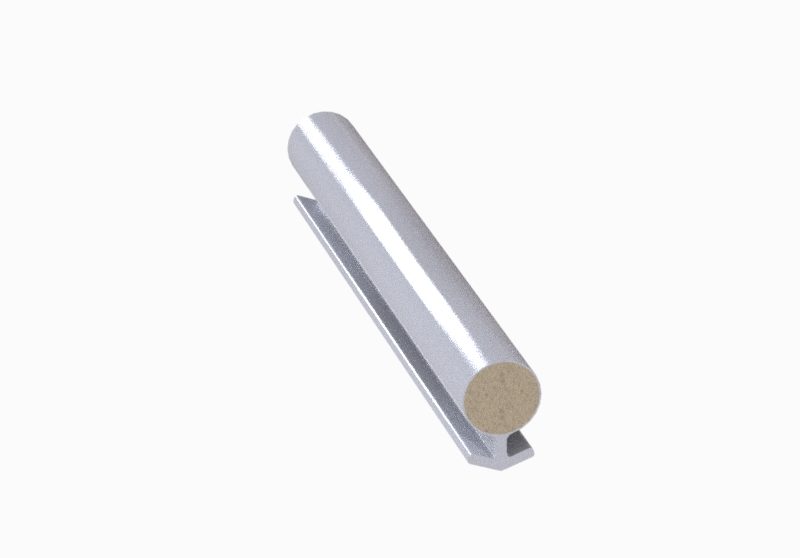
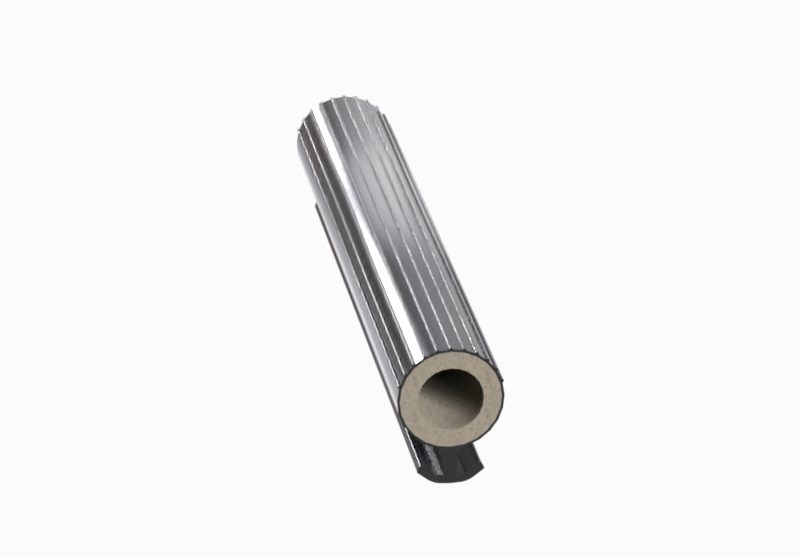
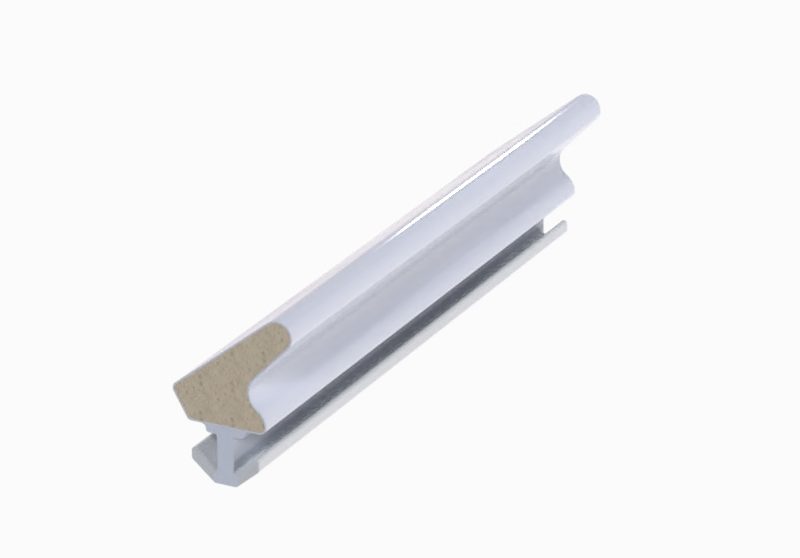
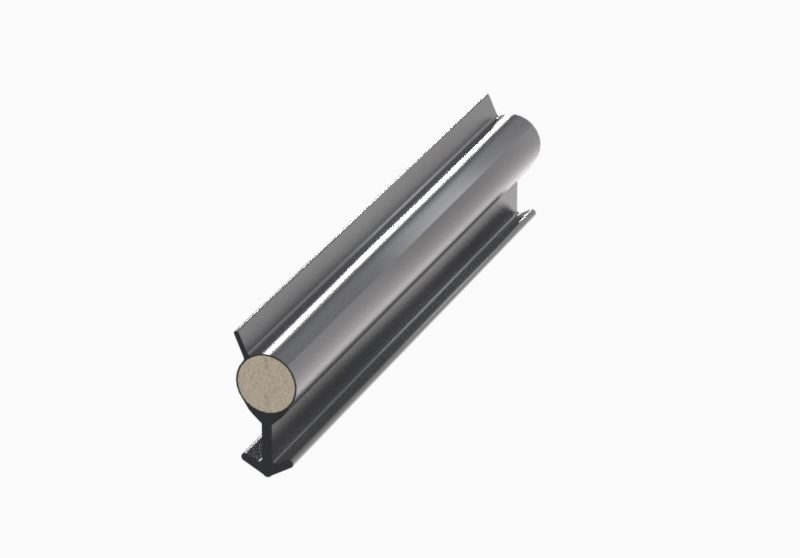
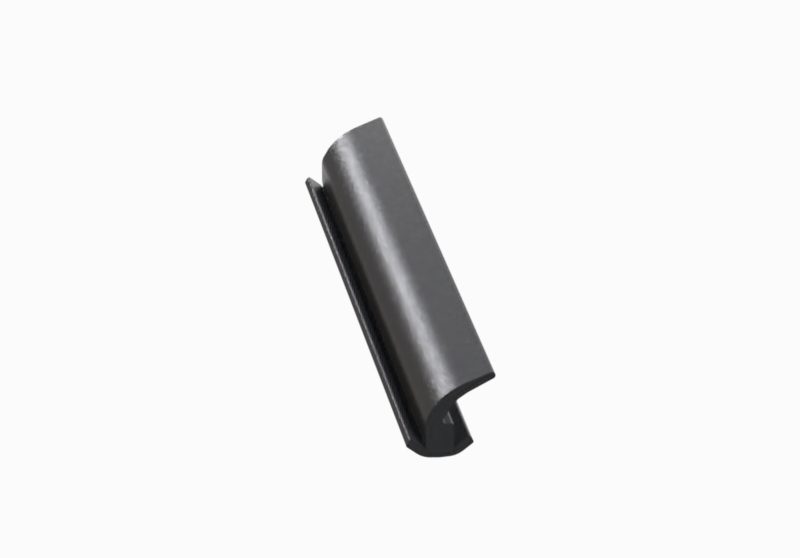
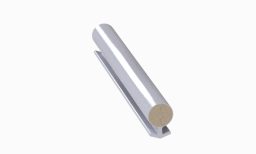
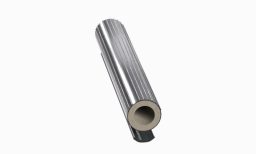
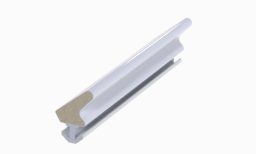
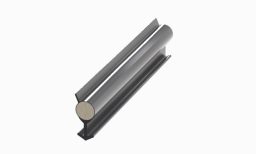
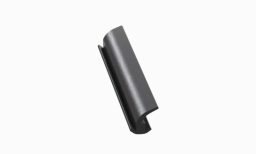
Springback weatherstripping is an extrusion-mounted weatherseal designed for applications where weatherseal retention is a critical design consideration. Unlike conventional weatherstripping that relies primarily on the mounting channel for retention, springback weatherstripping uses a specialized backing designed to help maintain weatherseal position within the extrusion after installation.
For window manufacturers and extrusion engineers, weatherseal performance involves more than sealing capability alone. The weatherstrip must remain properly positioned within the extrusion throughout manufacturing, handling, and product operation. Springback weatherstripping is commonly evaluated for applications where weatherseal movement, pullback resistance, retention performance, and compatibility with insertion systems are important considerations.
Available with or without a fin and in multiple pile heights, springback weatherstripping can be specified across a variety of extrusion profiles and manufacturing environments. Engineers can evaluate profile configurations based on sealing requirements, extrusion compatibility, retention objectives, and production requirements.
How Springback Weatherstripping Improves Retention
Many weatherstrips are evaluated primarily on sealing performance, but retention can be equally important in extrusion-based window systems. If a weatherstrip shifts position within the extrusion, sealing performance may be affected even when the weatherstrip itself remains undamaged. Because of this, engineers often evaluate retention requirements alongside sealing performance, extrusion compatibility, and manufacturing considerations.
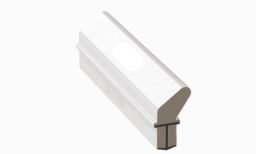
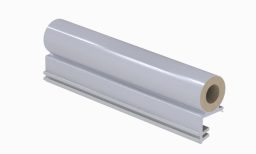
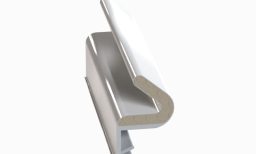
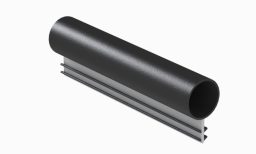
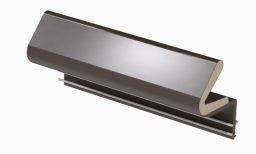
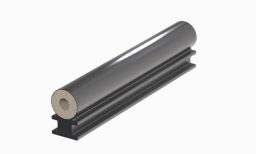
Springback weatherstripping uses a rounded, V-shaped backing that differs from conventional pile weatherstrip designs. During installation, the backing compresses as it passes through insertion tooling and into the extrusion channel. Once installed, the backing recovers its shape and engages the sides of the extrusion to help maintain weatherseal position within the profile.
Engineering guidance indicates that springback designs create multiple points of contact within the mounting channel, helping lock the weatheresal into place and resist pullback or movement after installation. This retention-focused design makes springback weatherstripping particularly relevant for applications where maintaining weatherseal position is an important requirement.
Because retention performance depends on the relationship between the weatherstrip, extrusion channel, and insertion process, engineers should evaluate channel dimensions, retention requirements, insertion equipment, and production capabilities together when considering a springback system.
- Need to prevent weatherseal movement?
Springback weatherstripping is designed to engage the extrusion channel and help retain the seal in position. Applications with concerns about seal migration or pullback may benefit from a retention-backed design. - Using automated insertion equipment?
Springback weatherstripping is designed for use with dedicated insertion tooling that compresses the backing during installation and allows it to recover once installed. - Working with extrusion-based window systems?
Springback weatherstripping is commonly evaluated where weatherseal retention within the extrusion channel is a critical design requirement. - Need retention without redesigning the extrusion?
Springback weatherstripping provides an alternative retention mechanism through the backing geometry rather than relying solely on the pile portion of the weatherstrip.
- Verify extrusion channel compatibility. Springback weatherstripping relies on a specific retention geometry to engage the sides of the extrusion channel. If the channel dimensions are not compatible, the backing may not achieve the intended retention performance.
- Evaluate insertion tooling requirements. Because springback weatherstripping is installed using dedicated insertion equipment, tooling compatibility should be reviewed early in the specification process. Selecting a springback profile without considering insertion requirements may complicate implementation within an existing manufacturing process.
- Consider retention requirements, not just sealing performance. Two weatherstrips may provide similar sealing performance, but retention requirements can differ significantly between applications. Springback weatherstripping is often selected when maintaining weatherseal position is a critical requirement.
- Review the complete manufacturing system. Extrusion geometry, insertion equipment, production capabilities, and weatherseal selection should be evaluated together to help avoid compatibility issues during implementation.
Weatherseals
| Profile Number | Material/Family | Reach | Bulb/Profile Type | Backing Width | Recommended Opening |
|---|---|---|---|---|---|
| 32089 | Foam-Tite® TPE | .225" | round bulb | .190" | .210" |
| 32442 | Foam-Tite® TPE | .297" | round bulb | .187" | .210" |
| 52029 | Foam-Tite® TPE | .375" | large bulb | .212" | .212" |
| 52031 | Foam-Tite® TPE | .210" | foam bulb | N/A | N/A |
| PP3381 | Aptus® TPE | .245" | leaf seal | N/A | N/A |
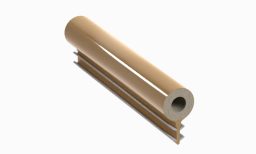
Springback weatherstripping is available in multiple profile configurations to accommodate different sealing requirements, extrusion designs, and manufacturing processes. Use the chart below to compare available springback weatherseal options and identify profiles that align with your retention, pile height, and application requirements.
Find the Right Springback Weatherseal for Your Application
Selecting a springback weatherseal requires more than choosing a pile height. Extrusion capability, retention requirements, insertion tooling, and sealing performance all play a role in determining the best solution for your application. Quanex works with window and extrusion manufacturers to identify springback weatherstrip profiles that align with both product design and production requirements.
Contact our weatherseal team to discuss your application, evaluate profile options, and learn more about insertion tooling support for qualified extrusion manufacturers.
This page was last updated on November 13, 2026. Downloaded document versions may differ. Please check the individual documents for most current version.