


 Print a Spec Sheet
Kerf Compression Seals
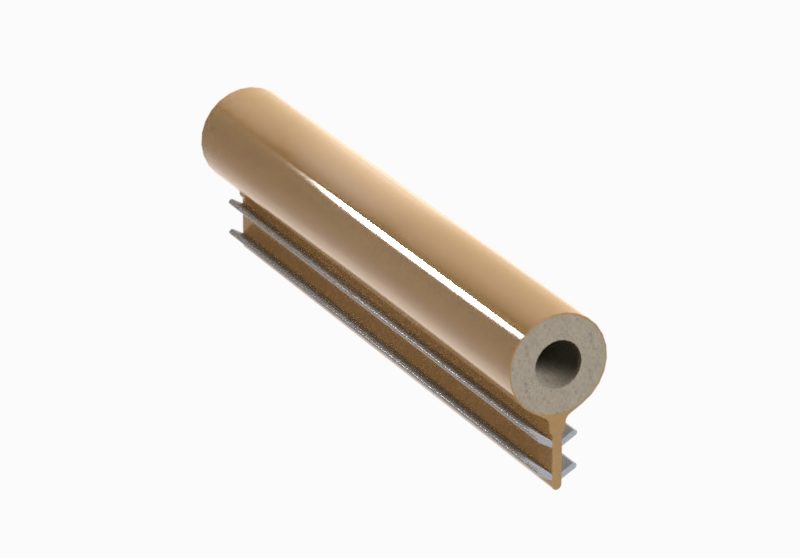
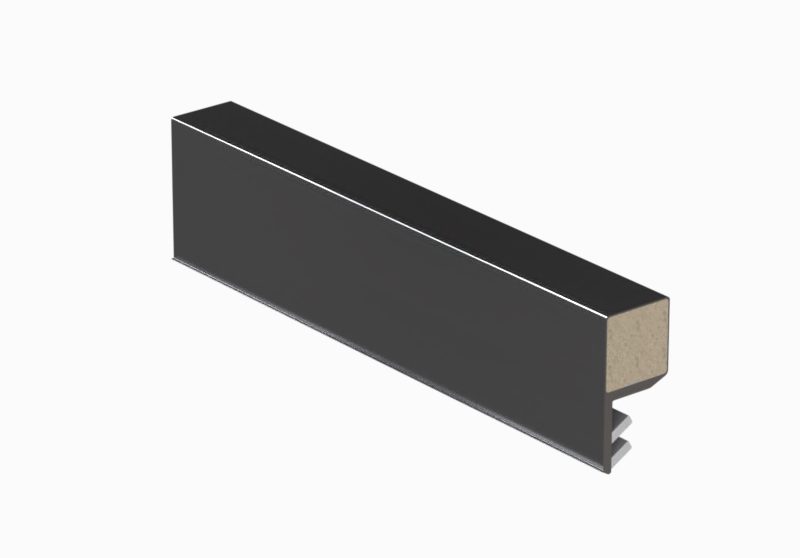
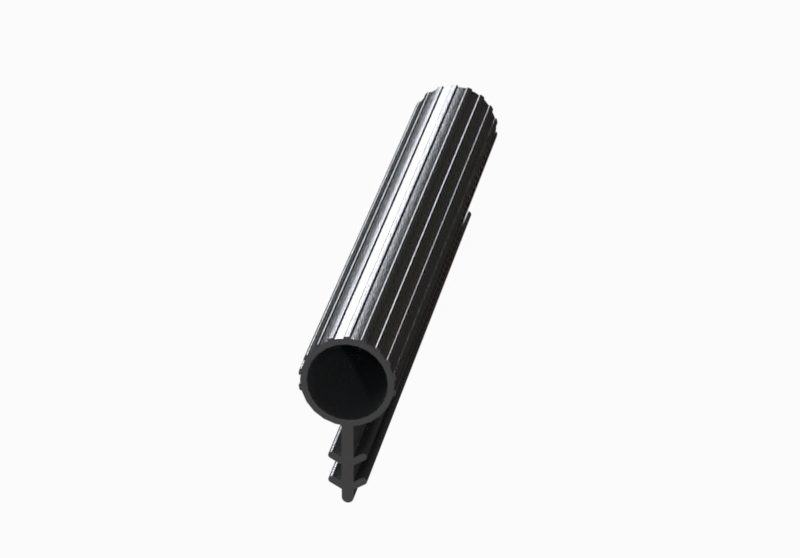
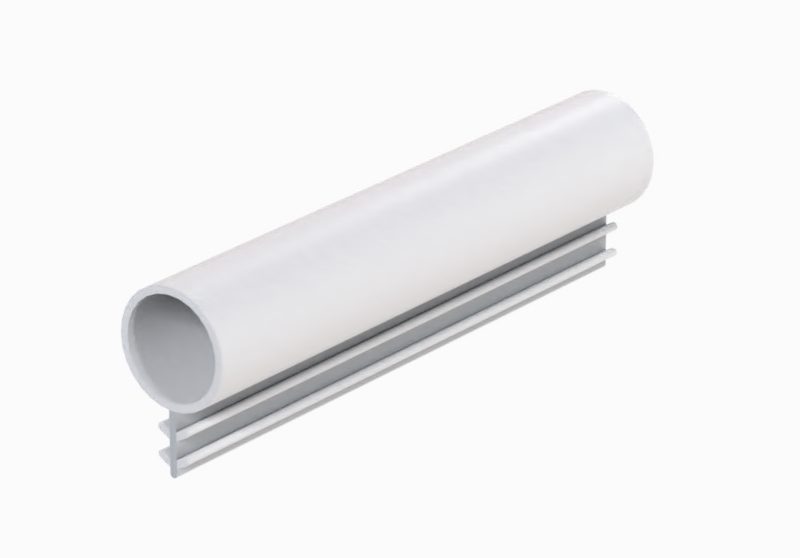
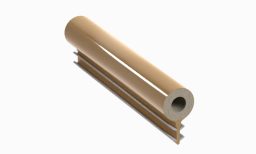
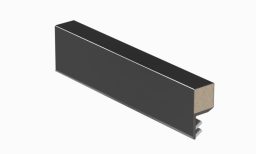
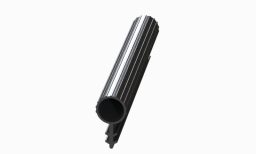
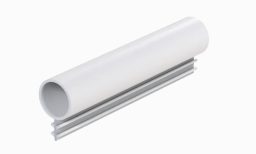
Kerf compression weatherseals are one of the most widely used sealing approaches in window and door systems because they provide a straightforward method of establishing contact between moving and stationary components. As the assembly closes, the seal compresses against the opposing surface to help manage air infiltration and support overall system performance.
Unlike more specialized weatherseal categories designed around retention, offset mounting, sliding applications, or specific profile geometries, standard compression seals provide engineers with flexibility when matching profile dimensions, compression characteristics, and mounting requirements to the needs of the application.
Why Engineers continue to use kerf-mounted compression seals
Kerf-mounted compression weatherseals remain one of the most widely used sealing approaches in window and door systems because they combine a straightforward mounting method with reliable sealing performance. Installed directly into a kerf slot within the frame, these weatherseals compress against the opposing surface as the window or door closes, helping establish consistent sealing contact throughout the assembly.
Unlike weatherseal categories designed to address highly specific mounting or operating requirements, kerf-mounted compression seals provide engineers with flexibility when selecting profile dimensions, reach, bulb geometry, and material construction. This flexibility allows manufacturers to adapt the weatherseal to the application rather than redesign the application around the weatherseal.
One reason kerf-mounted compression seals continue to be widely specified is their simplicity. The mounting method is typically easy to install, easy to replace, and available across a wide range of profile configurations. For many window and door systems, this combination of installation simplicity, design flexibility, and sealing performance makes kerf-mounted compression seals a practical starting point when evaluating weatherseal solutions.
Proper performance depends on selecting a profile that matches the intended gap, compression range, and operating requirements of the assembly. Engineers should evaluate profile geometry, material behavior recovery characteristics, and closing force together to identify a weatherseal that aligns with the goals of the complete system.
- Need a proven sealing approach? Kerf-mounted compression seals are one of the most common weatherseal configurations used across window and door systems because they combine straightforward installation with reliable sealing performance.
- Need flexibility in profile selection? Compression seals are available in a wide range of reaches, bulb sizes, and material options, giving engineers more freedom to match the profile to the application.
- Looking for a weatherseal that is easy to install and replace? Traditional kerf-mounted designs are commonly selected because they can simplify both installation and future serviceability.
- Need one mounting method across multiple platforms? Kerf-mounted compression seals are used throughout a wide range of window and door applications, making them a familiar and versatile specification option.
- Not every application requires a specialized weatherseal system. Many window and door assemblies can achieve effective sealing performance with a properly selected kerf-mounted compression seal. The flexibility of the profile family often makes it a practical starting point during product development.
- More compression can create more closing force. A larger or stiffer profile does not automatically create a better seal. Excessive compression can increase operating force and reduce usability. Engineers should balance sealing performance with the force required to operate the system.
- The same gap can be sealed using different profile styles. Solid compression profiles, hollow bulbs, foam weatheresals, and urethane weatherseals may all address similar dimensional requirements while providing different operating characteristics and recovery performance.
- Long-term performance starts with proper compression. Under-compression may limit sealing contact, while excessive compression can increase closing force and influence how the weatherseal performs over time. Engineers should target the intended compression range when selecting a profile.
Weatherseals
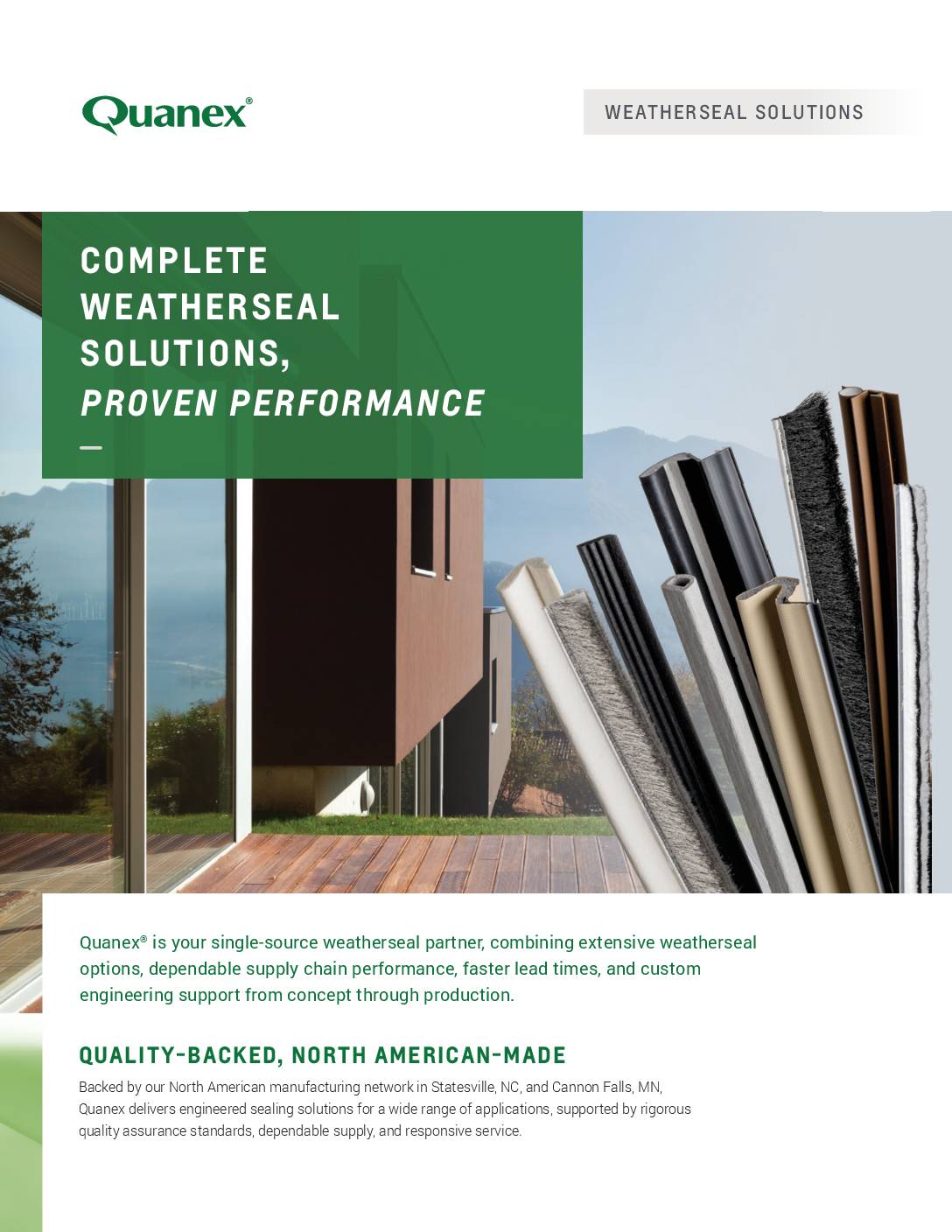
Kerf window & Door Compression seals comparison
Compare available kerf weatherseal profiles by reach, bulb geometry, kerf dimensions, and material construction. The tables below provide a side-by-side view of standard compression seals, around-the-corner profiles, and hollow bulb configurations to help engineers identify weatherseal solutions that align with their window and door platform requirements.
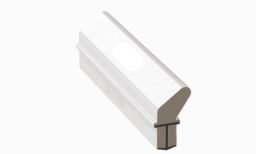
Standard Foam-Tite Compression Profiles
| Profile Number | Reach | Bulb Diameter | Kerf Width | Kerf Depth |
|---|---|---|---|---|
| 12400 | 0.150" | .150" | .100" | .230" |
| 12032 | 0.200" | .195" | .100" | .230" |
| 12102 | 0.200" | .200" | .100" | .215" |
| 12253 | 0.200" | .200" | .100" | .230" |
| 12299 | 0.200" | .200" | .101" | .230" |
| 12401 | 0.200" | .200" | .100" | .230" |
| 12802 | 0.200" | .200" | .100" | .230" |
| 12246 | 0.220" | .200" | .125" | .210" |
| 12021 | 0.250" | .225" | .105" | .275" |
| 12033 | 0.250" | .250" | .125" | .230" |
| 12079 | 0.250" | .320" | .105" | .220" |
| 12402 | 0.250" | .250" | .100" | .230" |
| 12416 | 0.250" | .250" | .100" | .230" |
| 12804 | 0.250" | .250" | .100" | .230" |
| 12351 | 0.255" | .409" | .134" | .217" |
| 12365 | 0.260" | .105" | .220" | .235" |
| 12006 | 0.270" | .350" | .095" | .285" |
| 12025 | 0.275" | .180" | .125" | .275" |
| 12249 | 0.275" | .275" | .105" | .230" |
| 12283 | 0.280" | .280" | .105" | .230" |
| 12359 | 0.285" | .250" | .125" | .220" |
| 12027 | 0.300" | .250" | .105" | .225" |
| 12034 | 0.300" | .300" | .100" | .230" |
| 12058 | 0.300" | .300" | .100" | .230" |
| 12093 | 0.300" | .300" | .125" | .230" |
| 12094 | 0.300" | .300" | .125" | .230" |
| 12404 | 0.300" | .300" | .100" | .230" |
| 12259 | 0.500" | .500" | .173" | .250" |
| 12338 | 0.551" | .345" | .140" | .192" |
| 12809 | 0.440" | .340" | .100" | .250" |
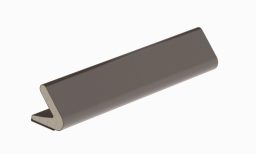
Around-The-Corner Profiles
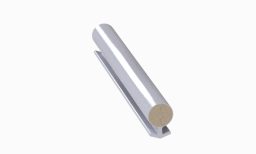
Aptus hollow bulb profiles
| Profile Number | Reach | Bulb Diameter | Kerf Width | Special Features |
|---|---|---|---|---|
| PP0629 | .260" | .260" | .118" | Hollow TPE Bulb |
| PP1227 | .260" | .260" | .108" | Hollow TPE Bulb, Slip Coat |
| PP1297 | .187" | .178" | .110" | Hollow TPE Bulb, Slip Coat |
| PP1727 | .200" | .200" | .110" | Hollow TPE Bulb |
| PP2485 | .375" | .375" | .110" | Hollow TPE Bulb |
| PP3356 | .250" | .250" | .110" | Pro-Slip |
| PP3364 | .300" | .300" | .110" | Pro-Slip |
| PP3365 | .275" | .275" | .104" | Pro-Slip |
| PP3366 | .375" | .375" | .110" | Pro-Slip |
Need help identifying the right kerf weatherseal system?
Every window and door platform presents unique sealing challenges. Quanex works with engineers and product managers to evaluate kerf-mounted weatherseals, compression seal profiles, and complete fenestration weatherseal systems for OEM applications.
Contact our team to discuss air infiltration goals, dimensional requirements, and performance objectives, and we’ll help identify the weatherseal solution that best aligns with your design.
This page was last updated on November 13, 2026. Downloaded document versions may differ. Please check the individual documents for most current version.