


 Print a Spec Sheet
Pocket Window & Door Seals
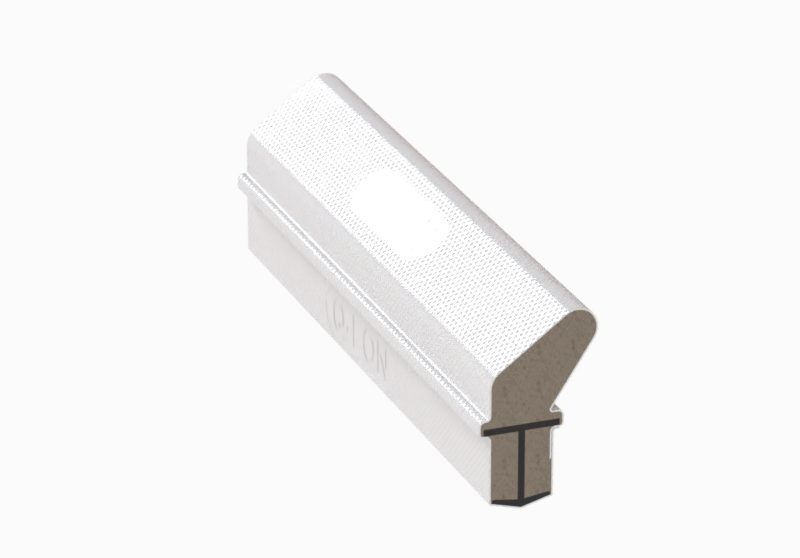
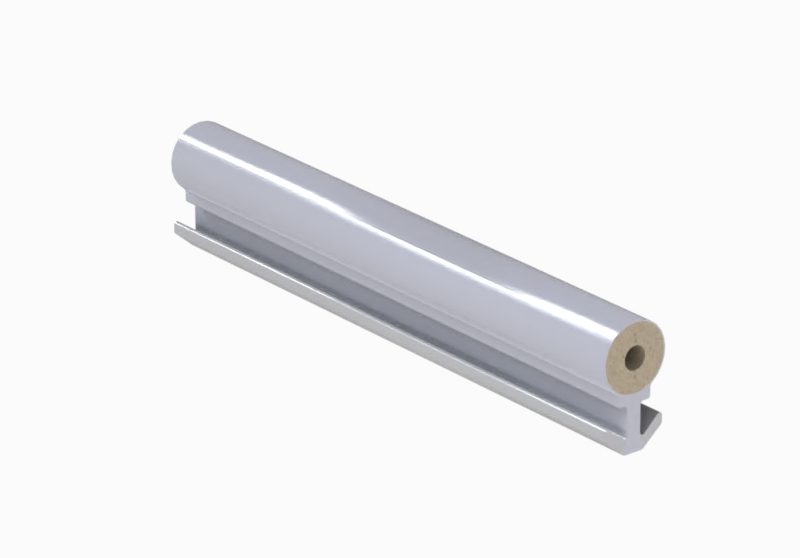
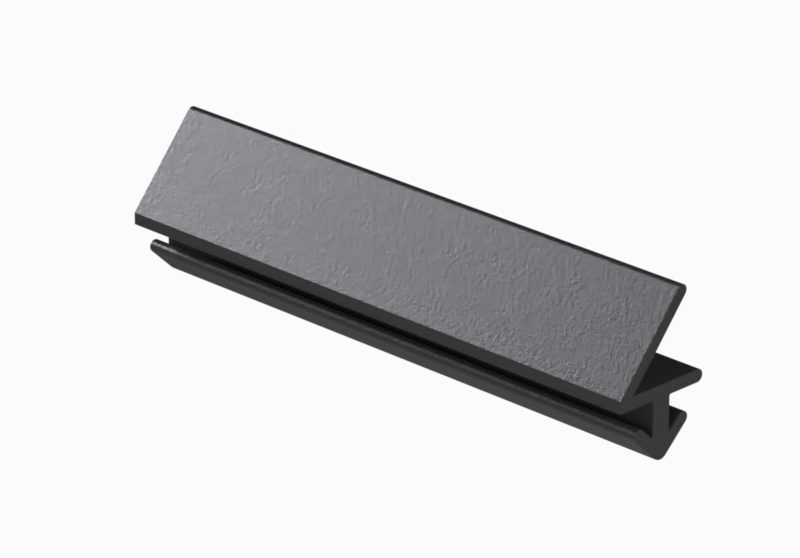
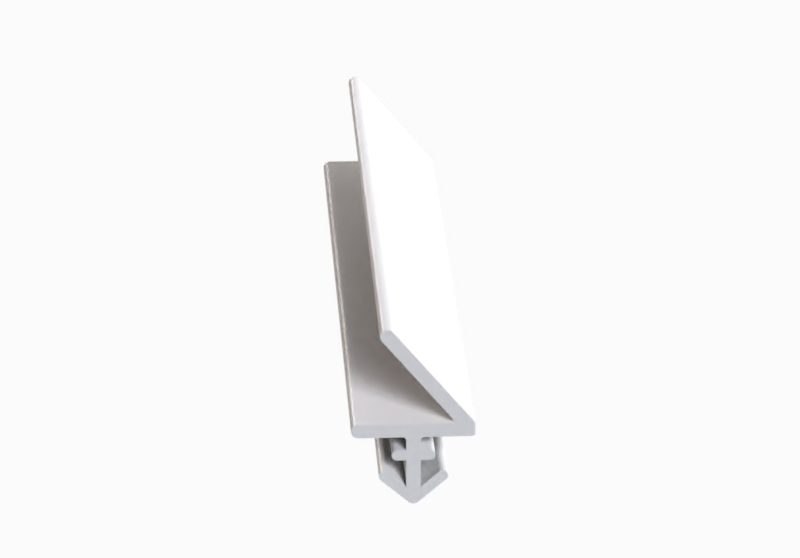
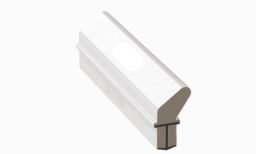
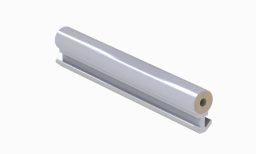
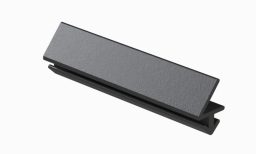
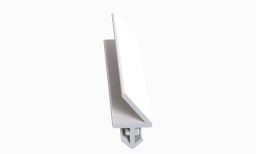
Pocket window and door seals are weatherseals designed to install into a pocket-style mounting opening within a window or door profile. This mounting approach provides engineers and manufacturers with an alternative when other mounting configurations may not align with the requirements of the system design.
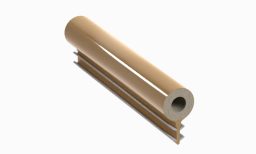
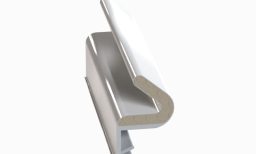
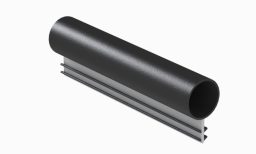
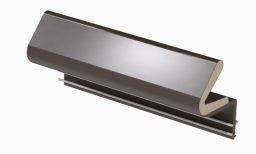
Quanex offers pocket weatherseals across multiple profile geometries, reach dimensions, and material families, including Foam-Tite® TPE, Q-LON® polyurethane foam, and Aptus® TPE configurations. Available profiles vary in mounting dimensions, bulb geometry, and sealing characteristics, allowing engineers to evaluate options based on the needs of the complete assembly.
Because window and door systems vary considerably in geometry, available mounting space, and sealing requirements, selecting the appropriate pocket weatherseal requires evaluating both the mounting opening and the characteristics of the sealing profile itself. Reach, bulb dimensions, mounting width, and material construction all contribute to how the weatherseal performs within the finished system.
Flexible Sealing Options for Non-Standard Mounting Designs
Pocket weatherseals are commonly specified when a window or door system requires a larger mounting opening or when traditional mounting configurations do not align with the design of the assembly. Unlike weatherseals designed around more specific mounting interfaces, pocket seals provide engineers and manufacturers with additional flexibility when evaluating profile geometry, material selection, and sealing performance.
Because pocket-mounted profiles are available across multiple material families and configurations, they are often evaluated during the development of new product platforms or when adapting existing designs that fall outside common kerf or T-slot mounting requirements. Rather than redesigning the system around the weatherseal, engineers can evaluate pocket seal profiles that fit the available mounting geometry.
When selecting a pocket weatherseal, engineers should evaluate mounting dimensions, available opening, reach, bulb geometry, and system performance objectives together. Reviewing these factors as a complete system helps identify profiles that align with both dimensional requirements and long-term weatherseal performance.
When engineers consider pocket weatherseals
- When standard mounting methods don’t fit the design. Pocket weatherseals provide an alternative when kerf, T-slot, or other mounting configurations are not compatible with the available profile geometry.
- When working with larger mounting openings. Pocket-mounted profiles are commonly grouped around larger mounting openings and can provide additional profile options for unique system requirements.
- When evaluating multiple material platforms. Pocket weatherseals are available in TPE, urethane, and other material configurations, allowing engineers to compare sealing approaches while maintaining the same mounting style.
- When developing new window and door platforms. Pocket profiles can provide greater flexibility during product development by offering more options within a common mounting category.
Pocket Weatherseal Selection Considerations
- Verify mounting pocket dimensions. Mounting width and depth should be reviewed first to ensure proper fit and retention within the system. A pocket opening that is too large may not retain the weatherseal securely, while an undersized opening can create installation challenges and may limit future serviceability or replacement.
- Evaluate reach and sealing geometry together. Reach, bulb dimensions, and available opening all influence how the weatherseal establishes contact within the assembly. Selecting a profile based on reach alone can result in inadequate sealing contact or require excessive compression, potentially affecting both sealing performance and operation of the system.
- Consider installation and service requirements. Many pocket weatherseals are easy to install and replace, although some snap-in configurations may be more difficult to remove after installation.
- Review the complete assembly. Hardware, frame geometry, operating clearances, and surrounding components can all influence weatherseal performance and should be evaluated as part of the overall system design.
Weatherseals
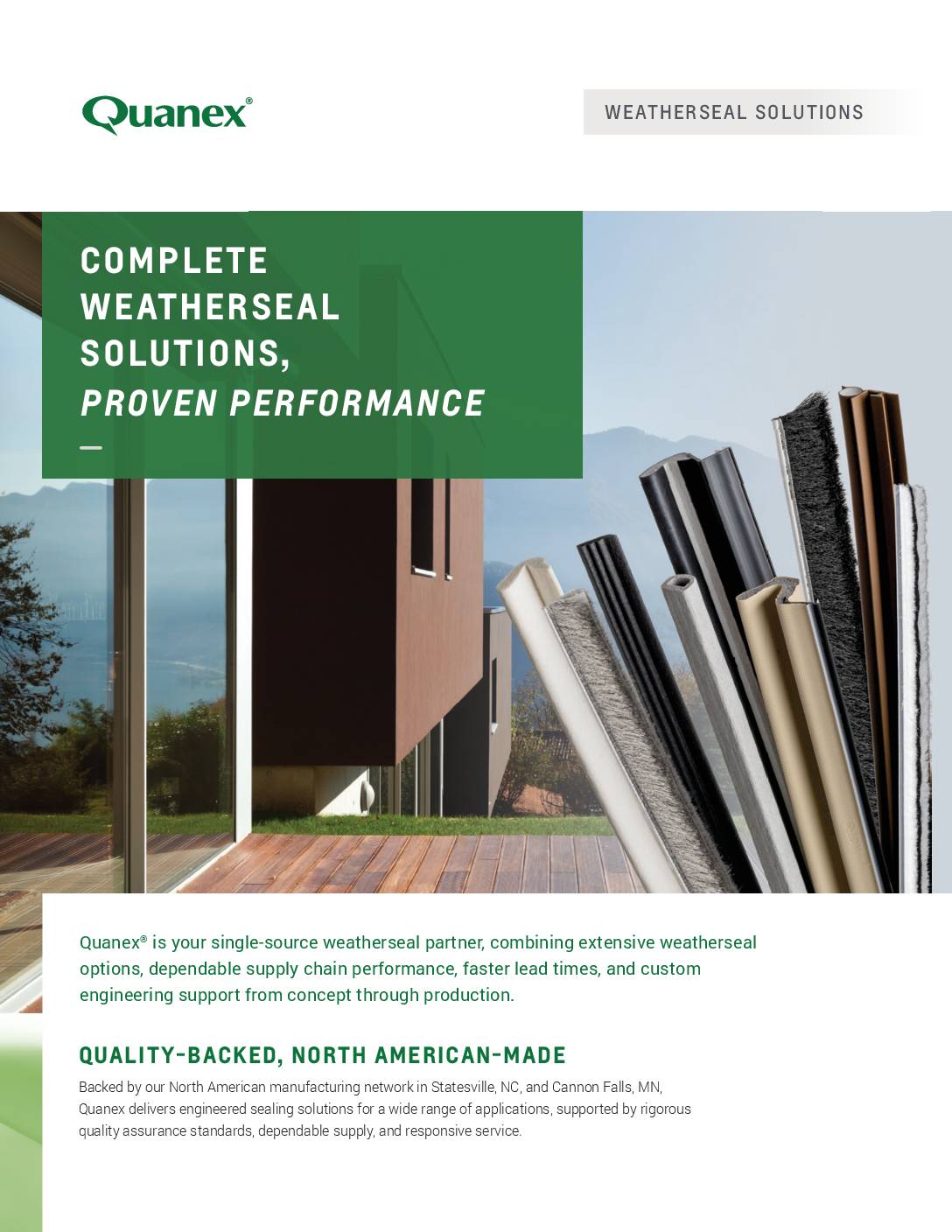
Compare available pocket weatherseal profiles by material family, reach, mounting width, recommended opening, mounting depth, and bulb dimensions. Reviewing these characteristics together can help identify profiles that align with your application requirements and mounting geometry.
| Profile Number | Family | Reach | Mounting Width | Recommended Opening |
|---|---|---|---|---|
| 52007 | Foam-Tite® | .375" | .170" | .120" |
| 52032 | Foam-Tite® | .375" | .280" | .210" |
| 52033 | Foam-Tite® | .225" | .212" | .100" |
| 52034 | Foam-Tite® | .375" | .230" | .160" |
| 52039 | Foam-Tite® | .375" | .212" | .100" |
| 52041 | Foam-Tite® | .250" | .212" | .100" |
| 52044 | Foam-Tite® | .300" | .212" | .100" |
| 52042 | Foam-Tite® | .640" | .160" | .120" |
| 52049 | Foam-Tite® | .485" | .212" | .100" |
| 52311 | Foam-Tite® | .280" | .212" | .100" |
| 52319 | Foam-Tite® | .222" | .200" | .100" |
| 70014 (U92) - left facing | Q-LON® | .360" | .190" | .145" |
| 70015 (U92) - right facing | Q-LON® | .360" | .190" | .145" |
| PP0993 | Aptus TPE | .320" | .220" | .225" |
| PP1497 | Aptus TPE | .320" | .190" | .225" |
| QL 3005 | Q-LON® | .258" | .134" | .112" |
| QL 3009 (U21) | Q-LON® | .351" | ||
| QL 3074 | Q-LON® | .257" | ||
| QL 3078 | Q-LON® | .354" | ||
| QL 5626 | Q-LON® | .375" | ||
| QL 9898 | Q-LON® | .262" | .216" | .126" |
Need help selecting a pocket weatherseal?
Window and door systems do not always fit neatly into a single weatherseal category. Quanex works with engineers and product teams to evaluate pocket-mounting weatherseals, compare profile options, and identify solutions that align with application requirements, dimensional constraints, and performance objectives.
Contact our weatherseal team to discuss your application, mounting requirements, and sealing objectives. We can help identify the pocket weatherseal configuration that best fits your design.
This page was last updated on November 13, 2026. Downloaded document versions may differ. Please check the individual documents for most current version.