


 Print a Spec Sheet
Kerf Door Seals
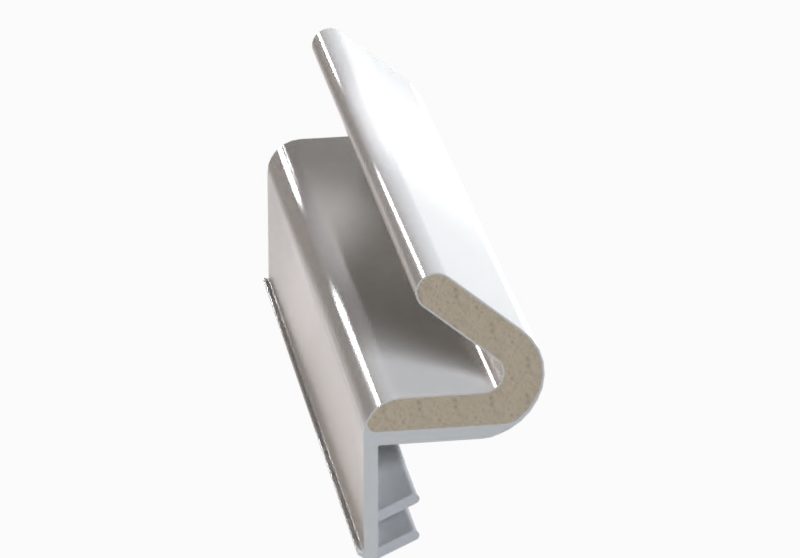
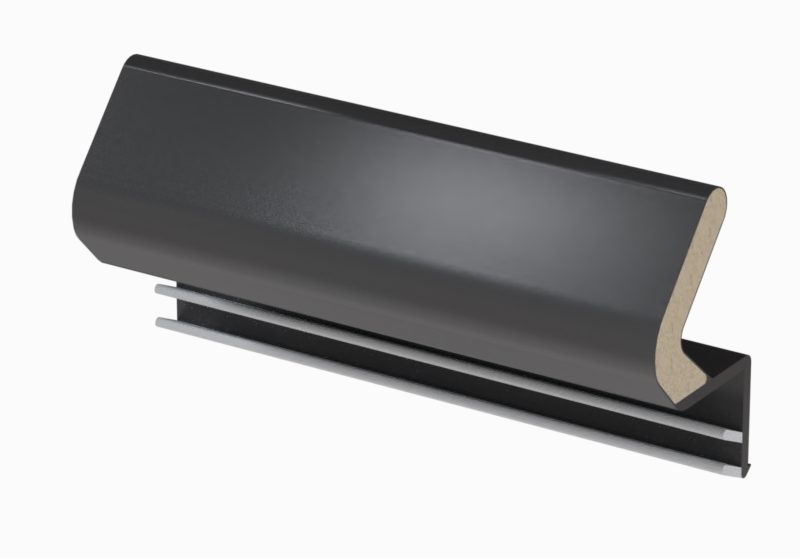
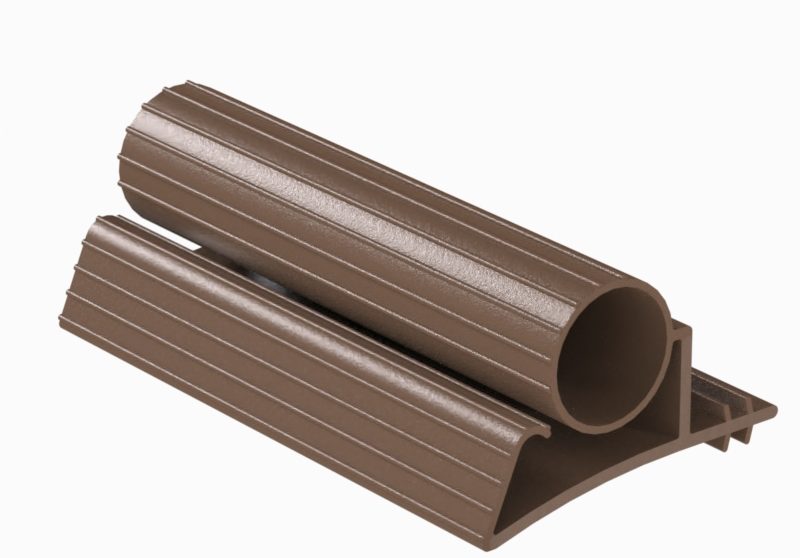
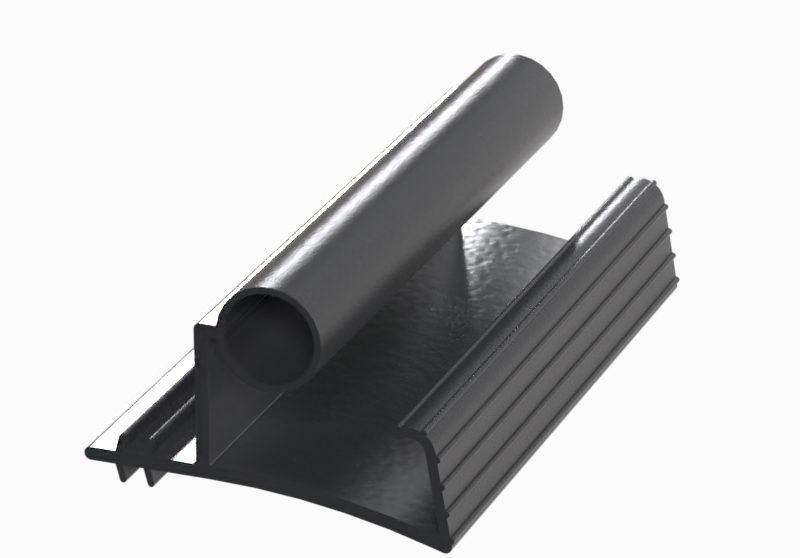
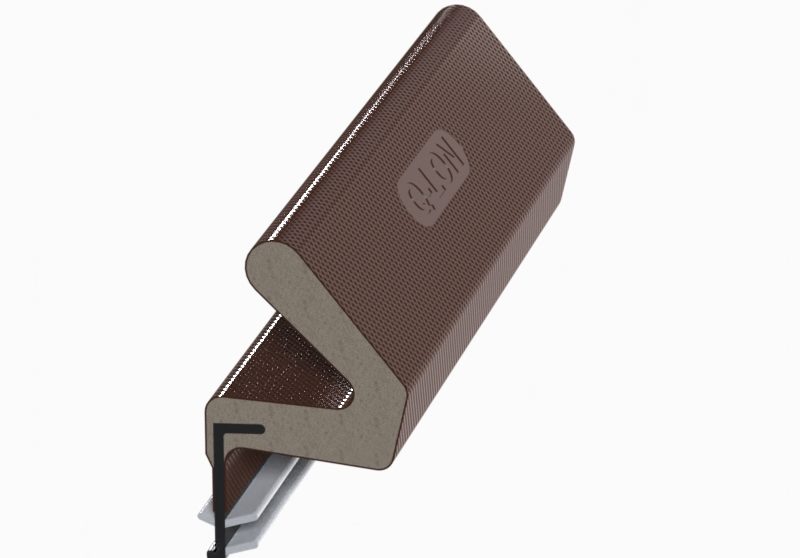
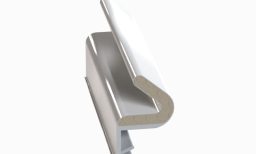
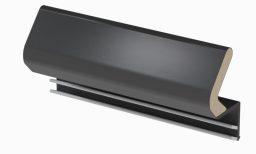
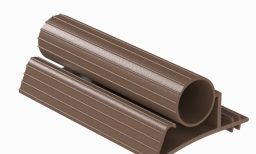
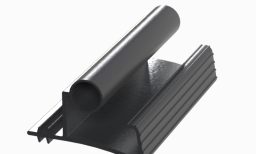
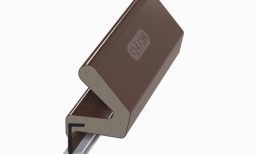
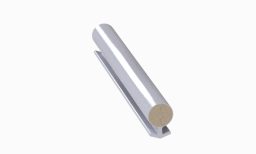
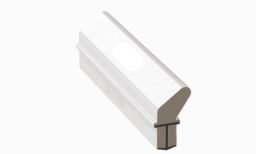
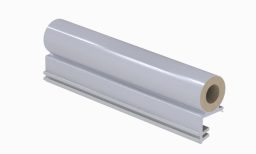
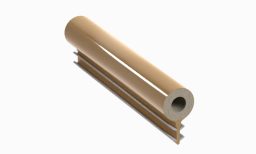
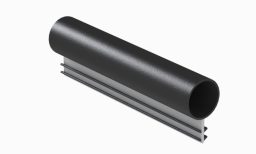
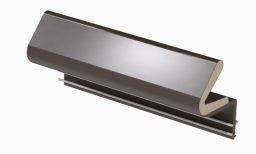
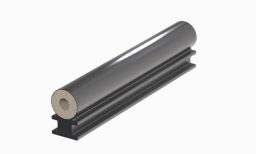
Kerf door seals are weatherseals designed to install directly into a kerf slot within a door frame or door system. This mounting method provides a secure attachment while positioning the sealing element where it can help establish consistent contact between the door and frame. Quanex offers kerf-mounted door seals across multiple material families, profile designs, and reach dimensions to support a wide range of entry door applications.
Available options include TPE foam, polyurethane foam, and polyethylene skin/foam composite constructions. These material choices give engineers and door manufacturers multiple approaches for balancing sealing performance, compression characteristics, recovery properties, and application requirements.
Because entry door systems vary considerably in geometry and performance objectives, selecting the appropriate kerf weatherseal requires evaluating both the mounting requirements and the characteristics of the sealing profile itself. Reach, kerf dimensions, material construction, and profile geometry all contribute to how the weatherseal performs within the finished assembly.
High-Performance weatherseals for Entry Door Systems
Entry door manufacturers often evaluate weatherseals as part of the complete door system rather than as individual components. The selected seal must fit the mounting interface, establish reliable contact with the opposing surface, and support the performance objectives of the finished assembly.
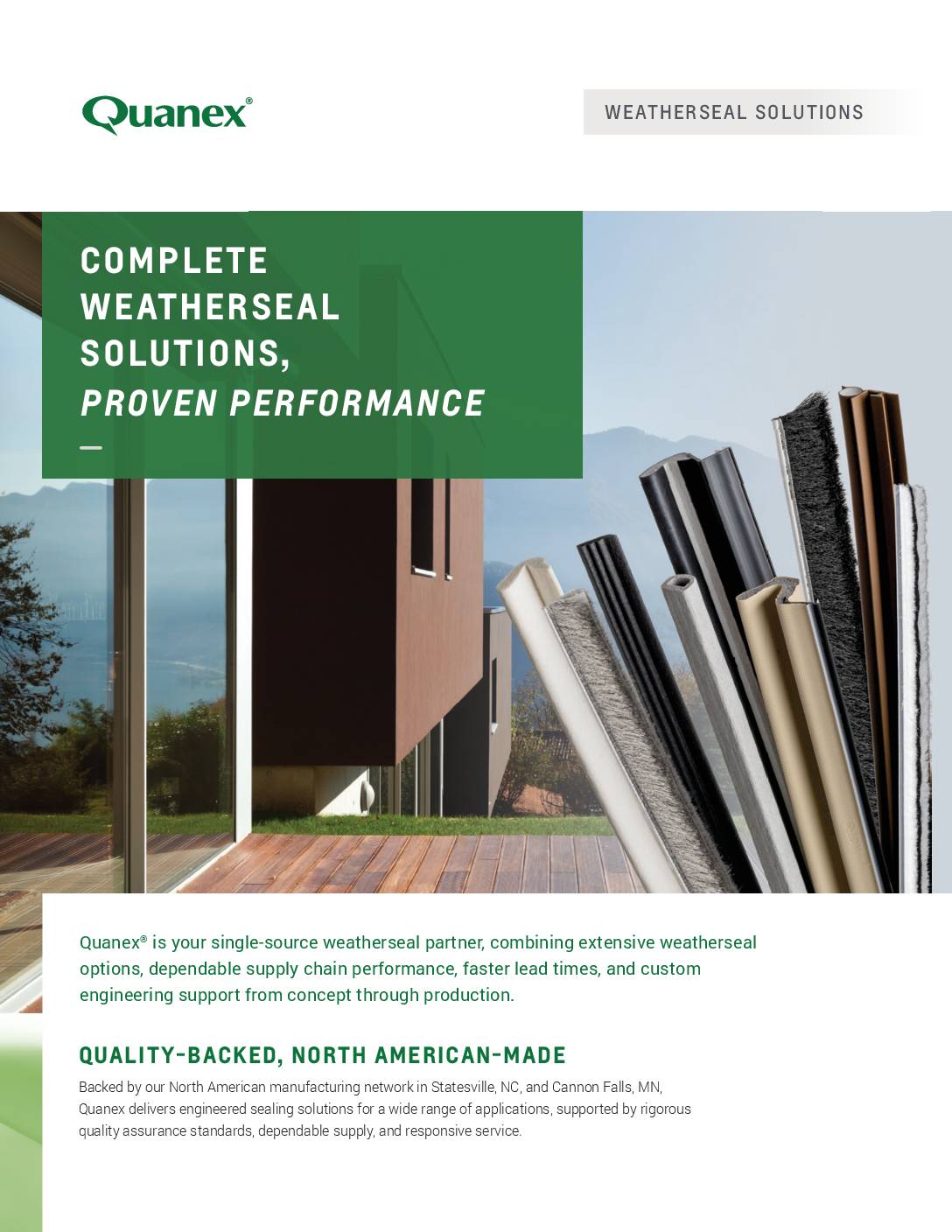
Quanex offers kerf door seals across several material platforms, including Foam-Tite® TPE, Q-LON® polyurethane foam, E-LON composite constructions, and Aptus® TPE profiles. Each material family offers different characteristics that may influence product selection depending on the application requirements.
For engineers and product managers, selecting the appropriate weatherseal starts with understanding the relationship between the available space, required reach, kerf dimensions, and desired sealing performance. Reviewing these factors together helps identify profiles that align with the design requirements of the complete door system.
Weatherseals
Kerf Door Seal Comparison
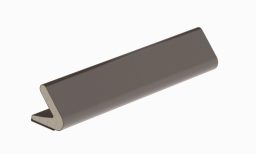
Quanex offers kerf-mounted door seals across multiple product families and material constructions. Compare available profiles by reach, material type, profile configuration, kerf width, and kerf depth to identify options that align with your application requirements.
| Profile Number | Family | Reach | Material | Profile Type | Kerf Width | Kerf Depth |
|---|---|---|---|---|---|---|
| 12601 | E-Lon | .100"-.500" | TPE foam | .125" | .50" | |
| 12002 | Foam-Tite® TPE | .500" | TPE foam | hollow bulb | .155" | .350" |
| 12083 | Foam-Tite® TPE | .625" | TPE foam | hollow bulb | .155" | .350" |
| 12103 | Foam-Tite® TPE | .500" | TPE foam | .155" | .350" | |
| 12328 | Foam-Tite® TPE | .325" | TPE foam | hollow bulb | .100" | .210" |
| 12610 | E-Lon | .650" | polyethylene skin/foam composite | hollow bulb | .125" | .50" |
| 72611 (U99) | Q-LON® | .490" | polyurethane foam | hollow bulb | .125" | .438" |
| PP1643 | Aptus TPE | .522" | TPE | hollow bulb | .340" | |
| PP1730 | Aptus TPE | .377" | TPE | hollow bulb | .340" | |
| 72610 (U71) | Q-LON® | .650" | polyurethane foam | hollow bulb | .125" | .438" |
| 72615 (UD6) | Q-LON® | .683" | polyurethane foam | hollow bulb | .125" | .438" |
| U64 (730) | Q-LON® | .730" | polyurethane foam | hollow bulb | .125" | .438" |
| U11 (825) | Q-LON® | .825" | polyurethane foam | hollow bulb | .125" | .438" |
| UC8 (875) | Q-LON® | .875" | polyurethane foam | hollow bulb | .125" | .438" |
Need help selecting the right kerf door seal?
Every entry door system presents unique sealing challenges. Quanex works with engineers, product managers, and door manufacturers to evaluate kerf-mounted weatherseals, compare material options, and identify solutions that align with application requirements and door system geometry.
Contact our weatherseal team to discuss your door design, dimensional requirements, and sealing objectives. We can help you identify the kerf door seal configuration that best fits your application.
This page was last updated on November 13, 2026. Downloaded document versions may differ. Please check the individual documents for most current version.