


Insulating glass production optimization & Automation support
Manufacturers today face increasing pressure to improve production efficiency, maintain product quality, and adapt to changing labor and market demands. Successful insulating glass production optimization begins with understanding the entire manufacturing process, not just the equipment on the plant floor. Process design, material compatibility, operator training, workflow efficiency, and equipment integration all contribute to producing consistent, high-quality insulating glass units.
Whether you’re operating a manual production environment or investing in advanced automation, the right manufacturing strategy can help improve throughput, reduce operational bottlenecks, and support long-term growth.
Every manufacturing operation is unique, which means there is no one-size-fits-all approach to insulating glass production optimization.
Every production environment is different. Optimizing your manufacturing process means selecting the right combination of equipment, materials, workflows, and automation to support your production goals. Selecting the right level of automation is one of the most important decisions in insulating glass production optimization. The right solution depends on production volume, workforce considerations, facility layout, product mix, and long-term business goals. Not all manufacturing operations require the same level of automation.
Manual Spacer Application Equipment
Manual systems provide flexibility and control for lower-volume production environments. These solutions are often used for specialty applications, custom units, or manufacturers entering the insulating glass market. With the right processes and equipment setup, manufacturers can achieve reliable production while maintaining quality and consistency.
Semi-Automated IG Equipment
Semi-automated systems combine manual processes with automation to improve production efficiency and consistency. These solutions help manufacturers reduce labor dependence, improve cycle times, increase product uniformity, and create a scalable path toward greater automation.
High-Speed Fully Automated IG Lines
Fully automated production systems are designed for manufacturers seeking maximum throughput and repeatability. These solutions help reduce manual intervention while supporting consistent production at high volumes. Automated systems can also help manufacturers address labor challenges while maintaining product quality across large production runs.

Understanding equipment capabilities is one thing—seeing them perform in real production environments is another.
Explore real-world examples of insulating glass production optimization in action, including automated spacer application systems, integrated production lines, and equipment partnerships that support efficient, high-quality manufacturing.
Whether you’re evaluating automation opportunities, exploring equipment options, or looking for ways to optimize your current operation, these examples can help illustrate what successful implementation looks like in practice.
-
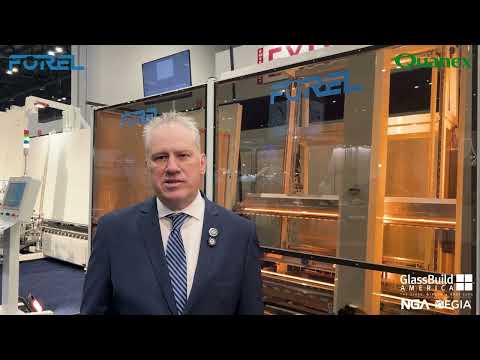 Forel High Speed Dura Line from 2025 GlassBuild
-
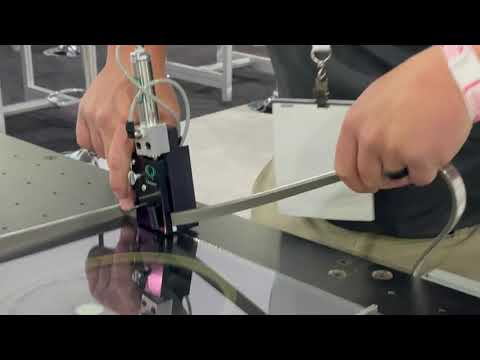 Live Demo: Creating an IGU with a Quanex Air-Float Table
-
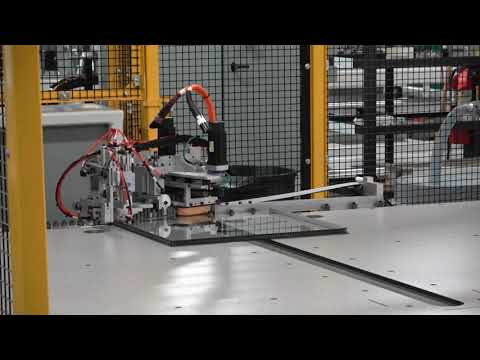 Erdman 400 Series Dura IG Applicator
-
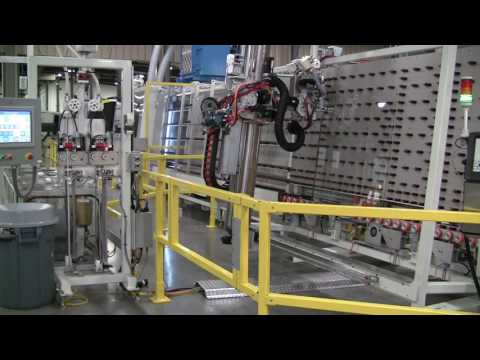 Erdman High Speed Parallel Process IG Line
-
Forel High Speed Dura Line from 2025 GlassBuild
-
Live Demo: Creating an IGU with a Quanex Air-Float Table
-
Erdman 400 Series Dura IG Applicator
-
Erdman High Speed Parallel Process IG Line
-
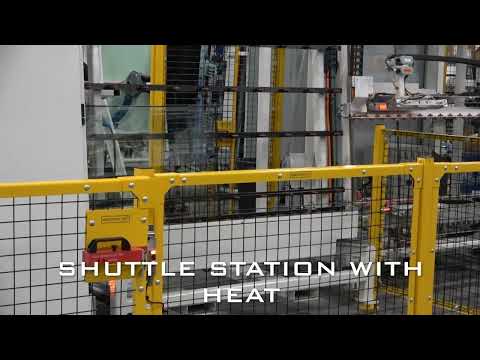 Erdman High-Speed Dura IG Line
-
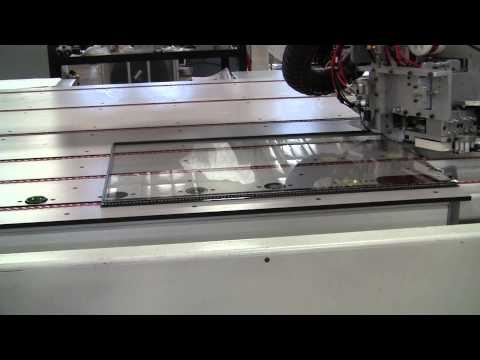 Erdman 7000 Series Dura Applicator
-
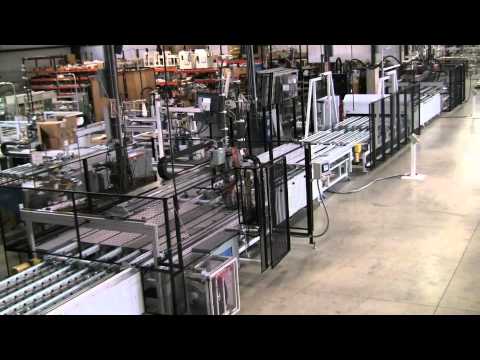 Erdman Horizontal Insulating Glass Line
-
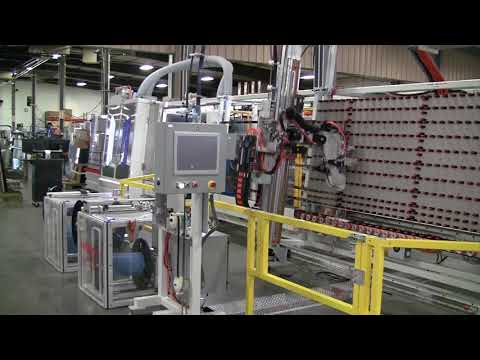 Erdman 7500 Series IG Line
-
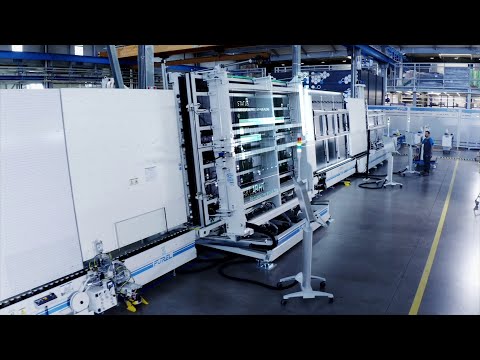 Forel Hot Melt IG Line
-
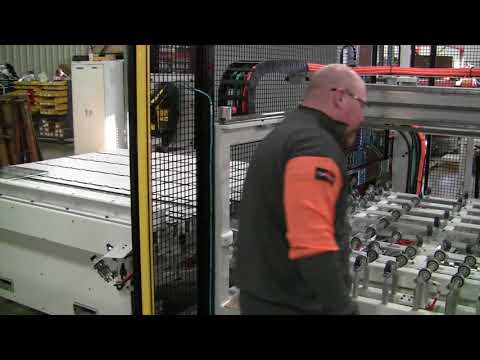 Erdman IG 6000 Series
-
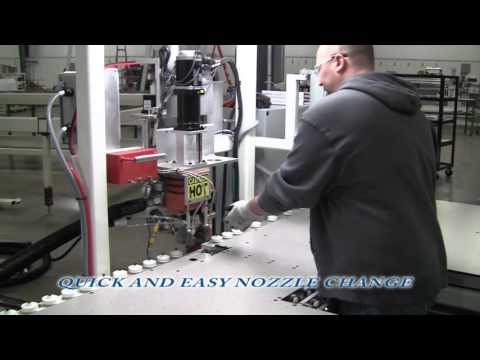 Erdman IG Fixed Head Secondary Sealer
-
Erdman Vertical IG Line
Plant Floor Optimization Services
Continuous Process Improvement by Optimizing the Plant Floor
Quanex Technical Services helps manufacturers improve plant floor performance through insulating glass production optimization, equipment integration support, and workflow improvement initiatives.
We work alongside production teams to help align equipment, materials, and manufacturing processes in ways that support:
Reliable product quality
Consistent production output
Improved manufacturing efficiency
Long-term operational performance
Common Challenges in Insulating Glass Manufacturing
As production demands increase, manufacturers often face challenges that impact efficiency and output.
Many of the challenges manufacturers face stem from inefficiencies within the production process rather than equipment alone:
- Labor availability and workforce training
- Maintaining consistency across production runs
- Increasing production capacity without sacrificing quality
- Reducing operational bottlenecks
- Improving workflow efficiency throughout the plant
- Scaling production to meet changing customer demand
Addressing these challenges requires the right combination of equipment, materials, technical expertise, and production strategies that support long-term insulating glass production optimization.
Benefits of Insulating Glass Production Optimization
The right combination of equipment, materials, training, and process optimization can help manufacturers:
- Improve production efficiency
- Increase product consistency and quality
- Improve workflow performance by reducing operational bottlenecks
- Support workforce development and training
- Adapt to changing market demands
- Create a foundation for future growth
Automation is not limited to high-volume manufacturers. Organizations of all sizes can benefit from evaluating their production processes and implementing solutions that support operational efficiency.
Process-Focused Equipment Integration
Quanex works closely with leading insulating glass equipment manufacturers to help ensure our spacer systems and IG components perform effectively across a wide range of equipment platforms.
While Quanex does not manufacture semi-automated or fully automated production equipment, we help manufacturers integrate our products into their chosen systems, reducing implementation challenges and supporting efficient operation.
Process Optimization Expertise
Process optimization requires understanding how materials, equipment, operators, and production workflows interact. Small improvements throughout the manufacturing process can lead to measurable gains in productivity, consistency, and product quality.
Effective insulating glass production optimization involves more than selecting equipment. Manufacturers must also evaluate material compatibility, application methods, workflow design, and production processes to achieve consistent, repeatable results.
Quanex helps manufacturers optimize spacer application processes, improve sealing performance, and support long-term product durability through application expertise and technical guidance.
Technical Service & Production Support
Our technical services team works directly with manufacturers to evaluate production processes, identify opportunities for improvement, and help optimize insulating glass manufacturing operations.
Training & Operator Development
Successful implementation extends beyond installation. Quanex provides training and technical support to help operators understand equipment processes, troubleshoot production challenges, and maintain consistency across production runs
Choosing the right production strategy is not always straightforward. Production volume, labor availability, floor space, and product mix all play a role in determining the best approach.
You don’t need to have all the answers.
Whether you’re evaluating manual production methods, exploring automation opportunities, or looking to improve insulating glass production optimization, Quanex can help you assess your operation and identify practical, efficient paths forward.