


TPE Seals
TPE (thermoplastic elastomer) weatherseals combine the flexibility and elasticity of rubber with the processing advantages of thermoplastics, making them a versatile material choice for a wide range of sealing applications.
While commonly used in window and door systems, TPE seals and materials can be manufactured in both foam and non-foam constructions to meet different design and performance requirements. From compressible foam weatherseals to solid profiles engineered to specialized applications, TPE provides manufacturers with flexibility when selecting materials and developing sealing solutions.
Depending on the material formulation and profile design, TPE weatherseals can provide properties such as flexibility, compression performance, and resistance to environmental exposure. Their versatility also allows for a wide range of profile designs, supporting integration into both standard and complex systems.
In addition, TPE materials offer recyclability, providing manufacturers with another consideration when evaluating material options and sustainability goals.
Globally Available, Locally Supported
TPE weatherseals are manufactured within the Quanex network and are available to customers around the world. While production may vary by region, our global supply chain ensures that these weatherseals can be specified and delivered wherever they are needed.
This allows manufacturers and specifiers to maintain consistent product performance across markets without limitations based on manufacturing location.
TPE weatherseals offer material and design flexibility for applications with varying sealing requirements. Depending on their construction, they can help manufacturers address challenges involving air and water infiltration, compression sealing, and environmental exposure.
TPE Weatherseals are commonly used in:
- Window and door systems requiring resistance to air and water infiltration
- Applications requiring compressible foam seals or solid-profile weatherseals
- Refrigeration systems and temperature-controlled environments where moisture management is important
- Garage doors and industrial doors exposed to weather and repeated operation
- Equipment enclosures and mechanical systems requiring environmental sealing
- Custom-engineered products requiring specialized sealing profiles
For manufacturers and engineers, the ability to select between foam and non-foam TPE constructions provides additional flexibility when designing products around specific sealing, fit, and performance requirements.
Engineered for Integrated System Performance
Selecting the right weatherseal material and profile is important to achieving the intended performance of a window or door system. TPE weatherseals offer several characteristics that can help manufacturers address common design and performance challenges.
- Air and Water Infiltration: Inadequate sealing can allow unwanted air and water to enter a window or door system, affecting energy performance, weather protection, and overall product quality. Properly specified TPE weatherseals help create a more effective barrier against infiltration.
- Compression and Recovery: A seal that doesn’t maintain the necessary contact or recover appropriately after compression can create gaps over time. Selecting a TPE construction and profile suited to the application’s compression requirements helps support consistent sealing performance.
- Thermal Efficiency: Gaps around a window or door can contribute to unwanted air leakage reducing thermal efficiency and potentially creating drafts. Properly designed weatherseals help limit air movement and support the thermal performance of the overall system.
- Environmental Exposure: Moisture, temperature changes, and repeated operation can place demands on weatherseal materials. Selecting a TPE formulation suited to the expected operating environment helps manufacturers account for these conditions during product design.
- Profile Fit and Design: A weatherseal that doesn’t properly fit the intended channel, kerf, or contact surface can compromise installation and sealing performance. TPE’s material versatility supports a range of profile designs to accommodate different system configurations.
By considering these factors during material and profile selection, manufacturers can better address potential sealing challenges and develop window and door systems designed for reliable, long-term performance.
Versatile Material Construction
TPE can be manufactured in both foam and non-foam forms, allowing manufacturers to select the construction best suited to their application. This versatility supports a broader range of sealing designs and product requirements.
Flexible Design for Complex Systems
TPE materials can be engineered into a wide range of shapes and profiles, supporting integration into different window and door designs as well as refrigeration, industrial, and specialty applications.
Application-Specific Sealing Performance
Depending on the material formulation and profile design, TPE weatherseals can provide properties such as compression recovery, resistance to moisture, and flexibility to support the needs of different sealing environments.
Durability Across Demanding Applications
TPE materials can be formulated to deliver the characteristics needed for products exposed to repeated use, environmental conditions, and other application-specific demands.
Recyclable Material Composition
As thermoplastic materials, TPE formulations can support recycling and material recovery, providing an additional consideration for manufacturers evaluating material choices and sustainability goals
-
Strong Protection Against Water Infiltration
The closed-cell foam structure helps prevent moisture from entering the seal, supporting long-term performance in wet, exposed, or high-humidity environments.

-
Reliable Sealing Under Pressure
TPE foam maintains consistent compression, making it well-suited for applications where tighter seals and higher design pressures are required.

-
Flexible Design for Complex Systems and Versatile Industries
These seals can be engineered into a wide range of shapes and profiles, allowing them to perform effectively across different window and door designs from fenestration systems to refrigeration, industrial, specialty applications, and more.

-
Improved Energy Efficiency and Comfort
By limiting air leakage, TPE foam weatherseals help improve thermal performance and reduce drafts, supporting a more comfortable indoor environment.

-
Recyclable Material Composition
As a thermoplastic elastomer, TPE supports recyclability while still delivering the performance characteristics needed for demanding applications.

The closed-cell foam structure helps prevent moisture from entering the seal, supporting long-term performance in wet, exposed, or high-humidity environments.
TPE foam maintains consistent compression, making it well-suited for applications where tighter seals and higher design pressures are required.
These seals can be engineered into a wide range of shapes and profiles, allowing them to perform effectively across different window and door designs from fenestration systems to refrigeration, industrial, specialty applications, and more.
By limiting air leakage, TPE foam weatherseals help improve thermal performance and reduce drafts, supporting a more comfortable indoor environment.
As a thermoplastic elastomer, TPE supports recyclability while still delivering the performance characteristics needed for demanding applications.
Quanex offers a comprehensive portfolio of TPE weathersealing solutions designed to meet the performance demands of modern window and door systems.
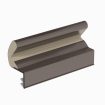
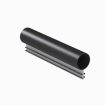
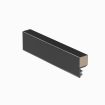
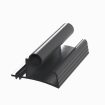
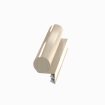
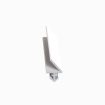
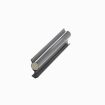
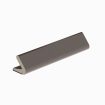
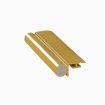

Choosing the right TPE weatherseal involves more than selecting a material. Profile design, material construction, and application requirements all play a role in achieving the desired sealing performance.
Our team works closely with window and door manufacturers, OEMs, and specifiers to identify the right TPE sealing solution for each application, whether that calls for a foam construction or a solid TPE profile.
Quanex also offers weatherseal solutions that meet recognized fire and safety standards for use in rated assemblies, supporting compliance in safety-critical applications.